
Check out a real world parallel to We Won’t Pay! We Won’t Pay!
By Katie Stewart
Assistant Director, We Won’t Pay! We Won’t Pay!
How often is rebellion associated with laughter? In the case of Nobel-prize winning playwright Dario Fo, the answer is always! Intiman’s production of We Won’t Pay! We Won’t Pay! this summer features the work of a playwright who actively challenges everything that is around us (and our tendency to accept it at face value) and wraps it within a joke. He said in an interview, “I’m interested in discovering the basic contradictions in a situation through the use of paradox, absurdity, and inversion. This enables me to transform one reality into another reality, not as a trick, but so people will understand that reality is not flat…”

The reality that Fo was facing when this play was published was bleak. Living in Turin, Italy, during the economic crisis of the1970s, Fo was seeing workers oppressed, families left homeless, police brutality, and the idle government standing by. The country had reached a boiling point, and Fo was among the many citizens who had had enough. So he took that anger and did something amazing: He wrote a farce.
Jane Nichols has made it clear to all of us in the rehearsal room that this is a play that starts with being angry, angry that the injustices that Fo was commenting on – unemployment, evictions, oppression, starvation and lower-class struggle – are still so relevant almost half a century later. Throughout the play the characters themselves are frustrated and angry as they try to survive. It is that need to endure that can lead to laughter. We have a choice: to boil with rage and take to the streets or to spin our perspective around, look at it from another point of view, and burst out laughing.
We’ve all used this form of survival before: when we’ve looked at a reality so dismal and, like Fo, reached through to find a different reality where there was paradox and even comedy. For my family, that moment came earlier this spring. My mother, who recently began her chemo treatment for breast cancer, called me on the phone to tell me that she had been to the wig shop. And they didn’t have any wigs in her size. Because her head is too big. I felt myself shaking, and realized it was from laughter. We laughed together because we actively chose not to cry.
Why would anybody want to see misfortune made fun of? Why come to this show at all? You don’t perform a farce to tell the legacy of a particular brave person, or to relate to the audience an important history. A farce is about the storytelling experience itself, the isolated hour or two when the audience and actors are intimately close, sharing energy with each other. We all know how precious that is. That moment when you look up on stage and burst out laughing, or nod your head, or feel complete empathy with the characters in front of you. It’s brief, but invaluable.
This summer We Won’t Pay! We Won’t Pay! really is about the experience. Fast, impulsive and real, this play makes the choice to smile and dance during a revolution. It will make you laugh, it will make you think, and it will, as Fo intended, make your vision of reality more complex. A true ensemble show, with a narrative that depicts human perseverance, this story has no hero. No one character will demonstrate incredible strength or honor. Instead, they all have a whole lot of one thing: humanity. And only together can they survive.
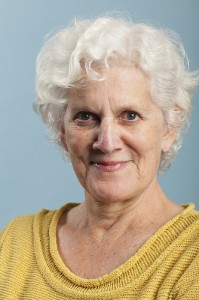 Q&A with director JANE NICHOLS
Jane Nichols has taught clowning everywhere. Seriously, everywhere: Harvard, Juilliard, Yale, Brown, the University of Washington, you name it. Jane has helped spread the love of laughter and good comedy for over 20 years, and we’re so excited to have her at Intiman this summer. Check out what she has to say about the art of clowning, directing We Won’t Pay! We Won’t Pay!, and living in Seattle.
What do you love most about WE WON’T PAY! WE WON’T PAY!? What drew you to this show?
Dario Fo wrote it. I am a huge fan of Dario Fo. He’s a genius comic performer, as well as a relentless, fearless critic of social injustice and hypocrisy. He’s perceptive enough to be outraged by it all, yet he has the wisdom and insight to laugh at it. This show in particular is perfect for these times of economic inequality, and the exploitation and disregard of the working class.
Can you describe your favorite scene (no plot spoilers!)?
I have a feeling the lazzi’s are going to end up being my favorite scenes. But we haven’t finished staging any of those yet so I cant say for sure. At this point I will say that my favorite scene is with the State Trooper. Because the actor playing him affects a Castillian accent that is so idiotic it makes me laugh every time he opens his mouth. My favorite scene right now is the scene with “grandpa”. It’s towards the end of the play, things are unraveling, all the characters are onstage, and grandpa floats into the room to drop the final ‘bomb’ with no more urgency than a sleepy cow smelling a rose. It is the rhythm of the grandfather juxtaposed with the alarm and tension of the other characters that makes for delicious chaos and comedy.
If you could pick just one reason that people should come see this show, what would it be?
To laugh at ‘what fools we mortals be’ in a shared space with other fools laughing at the same thing. It’s always my hope that if people come together to acknowledge their foolishness they will get over themselves and embrace their common humanity. And anyway, laughing feels good.
You have a great background in clowning – teaching it — how does that translate into your work as director for this comedy?
Comedy is all in the timing, as they say. Plus it’s also in the tone. Because of my years of teaching, I’ve been marinating in what’s funny and what makes people laugh for just about half my life. I’ve also been marinating in the genius of the actor’s imagination and intuition. In the rehearsal room I count on the actors to give me their intuitive responses to the text and situations, then I shape them. What you see onstage, hopefully, is not only comically timed out, but organic and credible as well. The trick is to create an atmosphere in the rehearsal room that encourages the same kind of freedom of invention as the atmosphere in a classroom. We start each rehearsal with Tag. Seriously. As well as other ridiculous games that help unleash spontaneity and the courage to play. Acting takes courage. Comedy REALLY takes courage.
You recently moved to Seattle – how come and what do you like most so far?
I moved to be near my two daughters and my beautiful grandchildren. End stop. I love cherish and adore the flowers! The lush green everything. And the mountains on the days they’re out. Plus I love my new house, especially the patio with its azaleas and little blue fountain. And I am amazed, just plain amazed, and deeply grateful at how welcomed I have been by the theatre community here. The clowns at Ear to the Ground, the Ensemble at WET, and EVERYbody at the Intiman. It’s been something quite close to heaven. Like Seattle on a cloudless day.
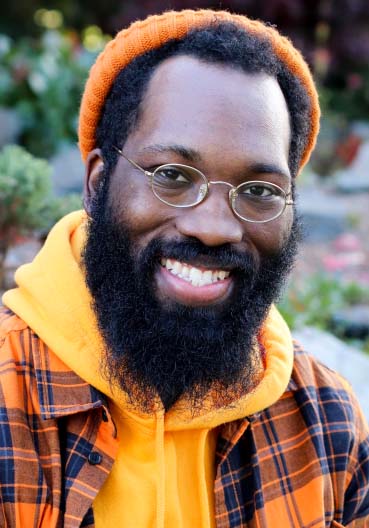
Seyvon West // MALIK, ENSEMBLE
Seyvon West (he/him) is an aspiring fashion designer and the owner and CEO of B.R.O.S., an emerging fashion company. Seyvon was born in Seattle, Washington and spent his early years in Baltimore, Maryland. Since receiving his acting certification in 2018 with Intiman, he has performed in three productions, most recently starring in Trouble In Mind as Sheldon Forrester. Along with gracing the stage, Seyvon has also done commercials and other films during his acting journey.
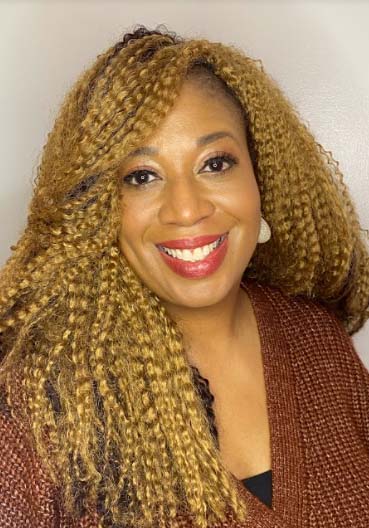
Faith Bennett Russell // JOETTA, BILLIE HOLIDAY, ENSEMBLE
Faith Bennett Russell (she/her) is an actor, director, teaching artist, playwright, and choreographer in the greater Seattle area for the past 40 plus years, and is thrilled to be back on the boards, making her Intiman Theatre debut with this beautiful and essential story. Past favorite stage credits include: My Heart Is The Drum and Once On This Island (Village Theater): Annie (The 5th Avenue Theater); Doubt, Jane Eyre The Musical, A Night With The Russells: The Legacy of Us (Taproot Theater); Grand Concourse and Slip/Shot (Seattle Public Theater) Picnic (Re’Act Theater). Big love and thank you to the creative team for believing I still have stories in me to share, and big love to my backbone, my family, who keeps me straight, reminds me to continue to dream, and fills my life with their love.
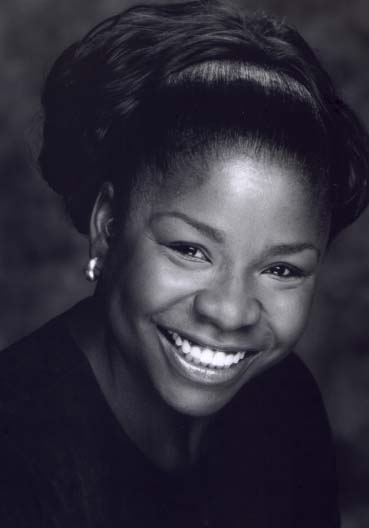
Tracy Michelle Hughes // KHADIJA, HATSHEPSUT, ENSEMBLE
Tracy (she/her) is happy to be working with Intiman Theatre again. Last time she was on Intiman’s stage was in 2013 for the Intiman Theatre Festival where she performed in Trouble in Mind, We Won’t Pay! We Won’t Pay!, and Stu for Silverton. Yes, it’s been awhile, but it’s nice to be back as Khadijah/Queen Hatshepsut in The Lion Tells His Tale. Most recently you may have seen her as Prospero in Tempest (Seattle Shakespeare’s Wooden O); History of Theatre and SWEAT (ACT); Billie Mae in Sound Theatre’s Reparations at Langston Hughes Performing Arts Center; Georgia Bailey with 14/48 Theatre Anonymous in It’s a Wonderful; Capulet in Seattle Shakespeare’s all femme Romeo & Juliet; Skeleton Crew at ArtsWest; Crowns at Taproot, Bright Half Life at 12th Ave Arts; Pretty Fire; and Wedding Band (Intiman Theatre) to name just a few. Tracy’s excited to share her art and gifts with you! Thanks, Jennifer Z.
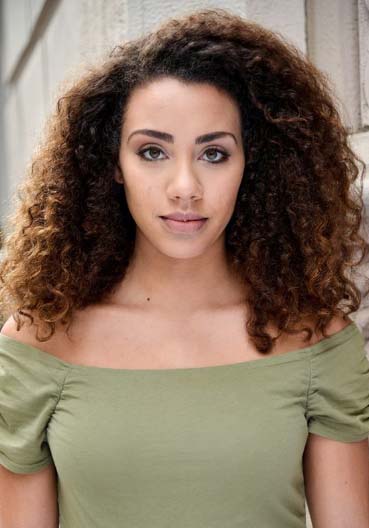
Hazel Rose Gibson // GRACE, TIYE, ENSEMBLE
Hazel (she/her) is proud to be making her on-stage debut at Intiman with this show and this powerful cast. It is not often she gets to tell POC-centered stories and she hopes her ancestors are proud. Hazel last worked at Intiman Theatre as Stage Manager for The Niceties. Previous credits include: A Christmas Carol (ACT), OR, (Theatre 22), Pipeline (SPT), Oedipus the King (Play Your* Part), American Junkie (Book-It Rep), The Good Woman of Setzuan (ACTLab), A New Hope in the Park (Hello Earth Productions), and A Civil War Christmas (Taproot Theatre). She would like to thank the Sneeds for giving her an opportunity to connect with her other half. Hazel sends big love to her phenomenal parents, her late sister, and her spectacular partner.
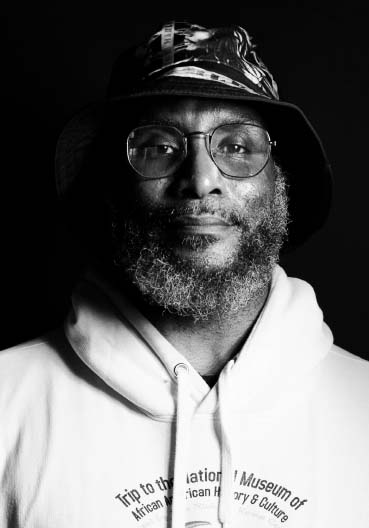
Rajnii Eddins // JUSTIN, IMHOTEP, ENSEMBLE
Originally from Seattle Washington, Spoken Word Poet/Emcee and Teaching Artist Rajnii Eddins (he/him) has been engaging diverse community audiences for over 30 years. He was the youngest member of the Afrikan American Writers Alliance at age 11 and has been actively sharing with youth and community in Vermont where he now resides since 2010. Rajnii’s diverse talents and passions allow him to offer a wide variety of powerful experiences that foster connection, learning, and mutual growth. He thrives at creating spaces that are educational, explorative, and celebratory, whether in a classroom, a conference hall, a community center, or online.
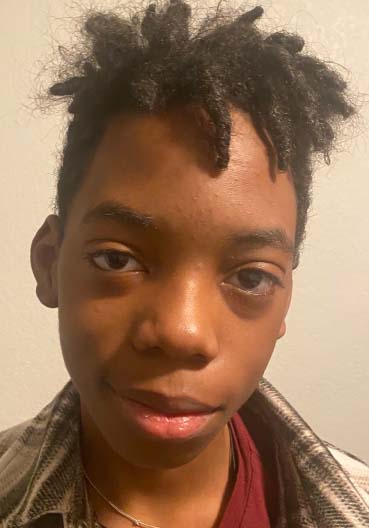
Deejay Brown // YOUNG STORYTELLER
Deejay Brown (he/him) is a thriteen-year-old 7th-grade student at South Shore K-8 with a passion for dancing, playing the piano, drawing, and various forms of computer animation. As the second youngest of 5 siblings, Deejay enjoys discussing current events, community, and spirituality, and indulging in his love for video games. Notable achievements include his debut in amateur acting with Stone Soup Theater’s production of Hamilton in 2022, as well as a performance at an on-stage reading of The Lion Tells His Tale at Langston Hughes Cultural Arts Center. This experience, coupled with a positive reception, ignited Deejay’s deep interest in acting, a form of artistry that allows him to express himself creatively.
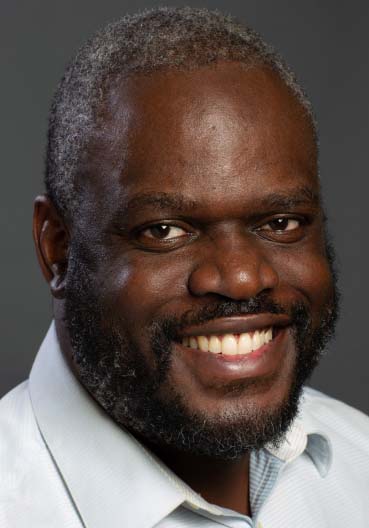
Erwin E. A. Thomas // THE STORYTELLER
Erwin Thomas (he/him) is honored to be returning to the Intiman stage where he was previously seen in Our Town. He is a University of Washington School of Drama graduate, PATP class of 2002. Previous roles have included the characters of Ephram, Moon on a Rainbow Shall (New Federal Theater); Benjamin, Southern Promises (PS 122); Featured Prisoner, House of the Dead (Met Opera/Paris Opera); and Jackie, Jackie and Me (Seattle Children’s Theatre). May we always tell stories that honor the sacrifices of our ancestors and amplify the healing power of the human spirit.
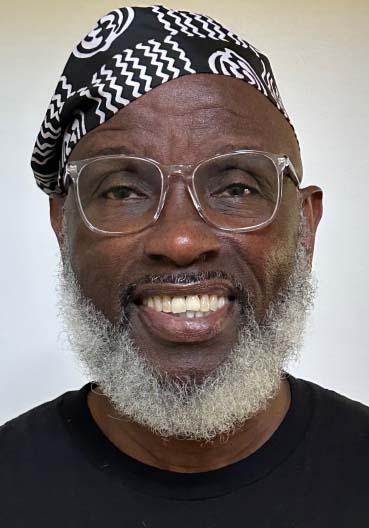
Delbert Richardson // AS HIMSELF
Mr. Delbert Richardson (hehim) is a Community Scholar, Ethnomuseumologist, and Second Generation Storyteller, of the national award-winning American History Traveling Museum: The “Unspoken” Truths. Utilizing authentic artifacts, storyboards, and the ancient art of “storytelling”, Mr. Richardson presents “American History” through an Afrocentric lens. His work is divided into four sections: Mother Africa, which highlights the numerous contributions by Africans in STEM fields; American Chattel Slavery, which delves into the brutal treatment and psychological impacts on African Americans of the Diaspora; The Jim Crow era, which examines the racial caste system and the creation and enforcement of legalized segregation; and Still We Rise, which focuses on the myriad contributions in the Americas by Black inventors and inventions.
Mr. Richardson’s work primarily targets K-12th grade students and offers professional development training for white female teachers, who make up over 79% of the national teaching force. He also provides DEI (diversity, equity, and inclusion) training. His services are in increasing demand by corporations, faith-based organizations, and municipal government agencies across the state of Washington, specifically in Seattle and King County. His offerings include professional development, community and student exhibits, extended workshop training for junior storytellers, and corporate DEI training.
Mr. Richardson’s achievements include the 2013 National Campus Compact Newman Fellows Award, the 2017 National Education Association (NEA) Carter G. Woodson Memorial Human & Civil Rights Award, the 2019 City of Seattle Mayor Arts Award, the 2019 Crosscut Courage in Culture Award, the 2020 Association of King County Historical Organizations (AKCHO) Heritage Education Award, the 2020 National Marquis Who’s Who Award, the 2021 Museum of History and Industry History (MOHAI) Educator of the Year Award, the 2021 Governor’s Arts & Heritage Spotlight Award, the 2021 Kwanzaa Award, and the 2022 Seattle Public Schools Department of Racial Equity Advancement Outstanding Educator Award.
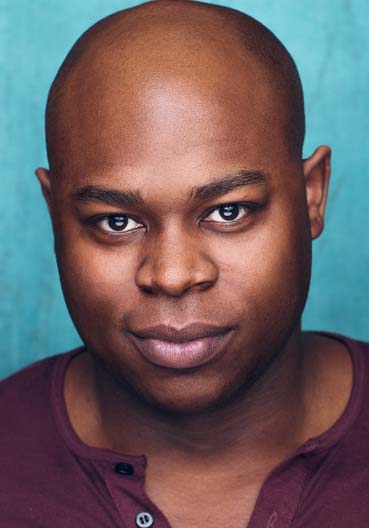
Antonio Mitchell // MILES/ENSEMBLE
Antonio (he/him) is excited to be returning to Intiman for the premier of this new work having recently appeared as The Baron in The Lower Depths (co-produced with The Seagull Project)! Select credits: Rapunzel’s Prince, Into the Woods (The 5th Avenue Theatre); Pirate King, Pirates of Penzance (Seattle Gilbert & Sullivan Society): Lady Bracknell, The Importance of Being Earnest (University of Washington); Ensemble, Hello, Dolly! (Village Theatre). MFA: University of Washington (PATP); BFA: University of Alabama at Birmingham (UAB). antoniomitchell.com / Instagram: @antonio.d.mitchell
Antonio Mitchell // THE BARON
Antonio (he/him) is ecstatic to be making his Intiman debut! Select credits: Rapunzel’s Prince, Into the Woods (The 5th Avenue Theatre); Pirate King, Pirates of Penzance (Seattle Gilbert & Sullivan Society): Lady Bracknell, The Importance of Being Earnest (University of Washington); Ensemble, Hello, Dolly! (Village Theatre). MFA: University of Washington (PATP); BFA: University of Alabama at Birmingham (UAB). antoniomitchell.com / Instagram: @antonio.d.mitchell
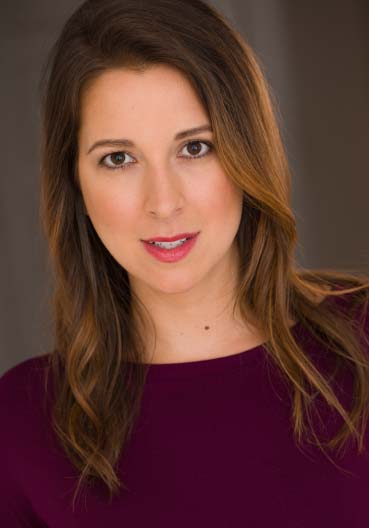
Jonelle Jordan // VANESSA KING
Jonelle Jordan has been a fan of the Seagull Project for years and is happy to join them in telling this story. Jonelle has previously worked with Intiman Theatre in their production of Caught. A selection of other local productions includes Last Drive to Dodge (Taproot Theatre); Sense and Sensibility (Village Theatre); Macbeth, Much Ado About Nothing, The Government Inspector (Seattle Shakespeare Company); The Revolutionists (ArtsWest); The Thanksgiving Play (Seattle Public Theatre); Bethany (ACT Theatre). Jonelle has a BFA in performance from Otterbein University. She is a toddler mom and a student pursuing her MA in Clinical Mental Health Counseling. @nelleb
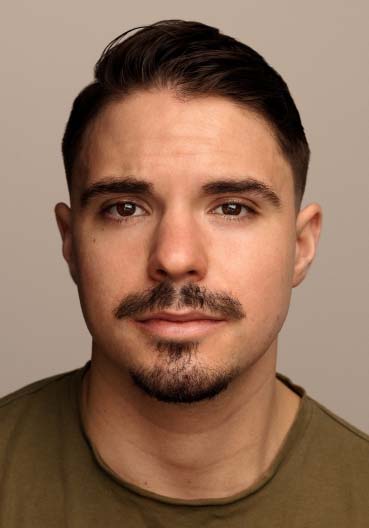
Marco Adiak Voli // PEPEL
Marco Voli (he/him) is thrilled to be working with both The Seagull Project and Intiman Theatre for the first time! Formerly based out of Seattle, Marco is a Nicaraguan American actor with a BFA from Cornish College of the Arts and an MFA from the London Academy of Music and Dramatic Arts. Select Seattle credits include Cymbeline (Wooden O); American Junkie (Book-It Repertory Theater); FADE (Seattle Public Theatre); How I Learned to Drive (Strawberry Theatre Workshop); and A Midsummer Night’s Dream (Seattle Shakespeare Company). Select National credits include SHANE (The Guthrie Theatre); and Native Gardens (The Hippodrome Theatre). He is managed by Elevate Entertainment (LA) and represented by The Krasny Office (NYC). He now lives with his remarkable wife in Brooklyn where he enjoys cooking, running, laughing, exploring and fostering community.
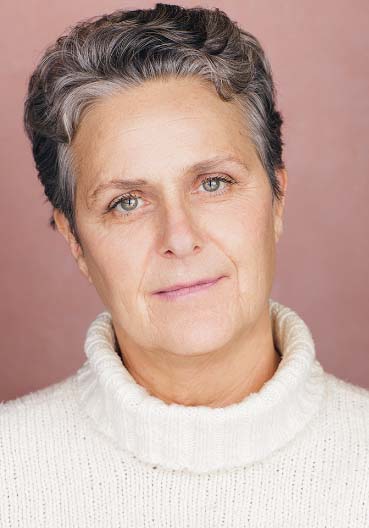
Amy Thone // LUKA
Amy (she/her) appeared in The Niceties at Intiman last season. She is a proud core company member at ACT, where she has played both Marley and Scrooge in A Christmas Carol, the Nurse in Romeo and Juliet, and just recently, an ensemble member in Reginald Andre Jackson’s History of Theatre. Ms. Thone spent 25 years on staff at the Seattle Shakespeare Company, where roles have included Prospero, Goneril, Lady Macbeth, Adriana, Emilia, Cassius, Cleopatra, Helena, and the Chorus. She’s also extremely proud to have played King John and Titus in the first two Upstart Crow productions, directed by Rosa Joshi. Past Intiman credits include: A Question of Mercy, Measure for Measure, The Diary of Anne Frank. Like most other things in Amy’s life, this performance is dedicated to her two beautiful daughters.
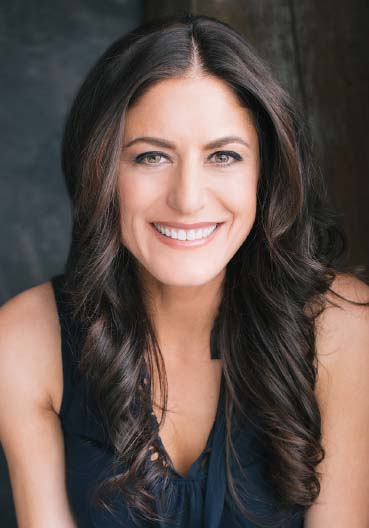
Alexandra Tavares // ACTOR
Alexandra (she/her) has appeared at Intiman Theatre as Mavis in The Sign in Sydney Brustein’s Window, Ellie in Heartbreak House, and Irina in The Three Sisters. Other productions include The Thin Place, Middletown, Rock ’n’ Roll, and Christmas Carol. Elsewhere she has appeared in: The Winter’s Tale, The Odyssey, Constellations (nominated for Outstanding Actress), Three Tall Women and The Great Moment at Seattle Rep; Ironbound (nominated for Outstanding Actress) at Seattle Public Theatre; Frost/Nixon (nominated Outstanding Ensemble) at Strawberry Workshop Theatre; Elizabeth in Pride and Prejudice, The Clean House, Italian-American Reconciliation and Tom Jones at Actors Theatre of Louisville; Somebody/Nobody, Sherlock Holmes and The Suicide Club at Arizona Theatre Company; and Medea (nominated Outstanding Actress) in Medea at Seattle Shakespeare Company. She is a co-founding producing member of The Seagull Project. She has performed with them as Nina in The Seagull, Masha (nominated Outstanding Actress) in The Three Sisters, and Yelena in Uncle Vanya. She holds an M.F.A. in acting from the University of Washington.
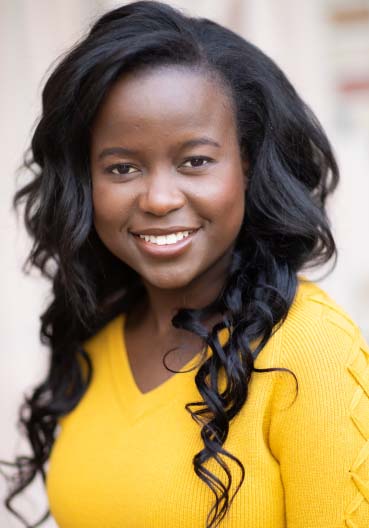
Esther Okech // DAWN
Esther (she/her) recently appeared in the return production of Black Nativity at Intiman! She is an actor and educator from Kenya. She graduated from Cornell University where she pursued a BSc in Environmental Science and she is a recent graduate of the MFA Acting Program at the University of Washington School of Drama. Past credits include: No Exit, The Baltimore Waltz, Father Comes Home from the Wars and The Oresteia (University of Washington School of Drama); Macbeth (Seattle Shakespeare Company); Lydia and the Troll (Seattle Rep).
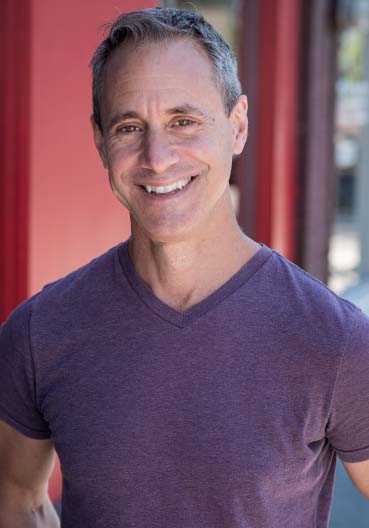
David Quicksall // MEDFORD BRUIN & Adaptor
David (he/him) has worked across the country and in Seattle as an actor, director, and writer. As an actor, David’s first gig upon arriving in Seattle was at Intiman in the 1999 production of David Rabe’s A Question of Mercy. Since then he has also appeared at ACT, Seattle Repertory Theater, the 5th Avenue, Seattle Children’s Theatre, Seattle Shakespeare Company, Taproot, and Book-It Repertory Theatre. During the height of the pandemic lockdown, David performed the original, live-streamed, one-man show (co-written with and directed by Rachel Glass) David and Goliath: 2021 at 18th & Union. As a director, David recently helmed the critically successful production of Titus Andronicus at Seattle Shakespeare Company. As a member of The Seagull Project, David has appeared in The Three Sisters, The Cherry Orchard, and The Seagull when it appeared at the internationally acclaimed Ilkhom Theatre in Tashkent, Uzbekistan.
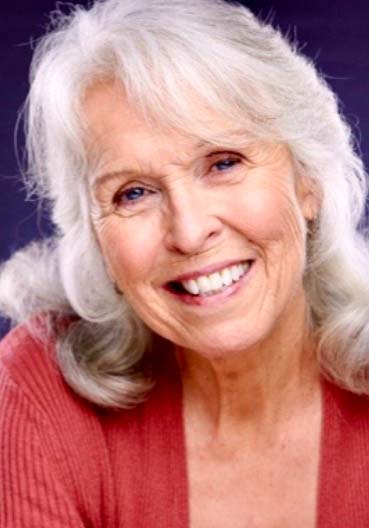
Sharva Maynard // ANNA
Sharva (she/her) is pleased to be returning to Intiman Theatre for this amazing production. She was delighted to appear in Linda Hartzell’s staging of The Grapes of Wrath as part of the American Cycle here in 2005. She is honored to be in the Seagull company, first in Uncle Vanya and now as Anna. She has been seen in many Seattle productions including Goodnight Moon, The Wizard of Oz, The Midwife’s Apprentice, The Rememberer, and The Yellow Boat, at SCT. The West Coast Premiere of Jeanine Tesori’s Violet at ACT and numerous appearances at Village Theatre in plays and musicals such as The Foreigner and the world premiere of Brian Yorkey’s Play It By Heart. Her forty-plus years on stage have included roles in Working, The Boxcar Children, Damn Yankees, Children Of A Lesser God, Big River, Into The Woods, Little Women, Les Belles Soeurs, The Music Man, Man Of La Mancha, Anna Karenina, and The Best Little Whorehouse In Texas. The Lower Depths marks a milestone in a joyous career onstage and screen, and she is deeply thankful to be a part of this project.
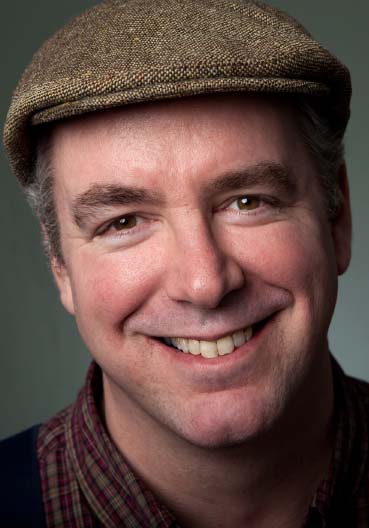
Charles Leggett // MICKEY KING
Charles’ (he/him) Intiman credits include: Schoolch, Bulrusher; Arnold, Hir; James T, Barbecue; Franklin, John Baxter Is a Switch-Hitter; Roy Cohn, Angels in America; Narrator, Stu for Silverton; Phlaccidos, Lysistrata; Musician, Cop, Doctor, The Streetcar Named Desire. A 2022 Lunt-Fontanne Fellow, Charles is a recipient of a Theatre Puget Sound “Gregory” Award (Shylock in The Merchant of Venice, Seattle Shakespeare Company), as well as a three-time nominee of same (Lennie, Of Mice and Men, Letter Writer #1, Tiny Beautiful Things, Seattle Repertory Theatre; Ray, Yankee Tavern, ACT Theatre), and a two-time nominee (Shylock and Roy Cohn) for the Stranger Genius Award. His solo show, The River’s Invitation, last appeared in Theatre Off Jackson’s inaugural Solo Performance Festival, SPF 1: No Protection! His poetry has appeared in journals across the US and in the UK, Ireland, Canada, Australia, New Zealand, Singapore, India, and Nigeria, and is a three-time nominee for inclusion in the annual Pushcart Anthology.
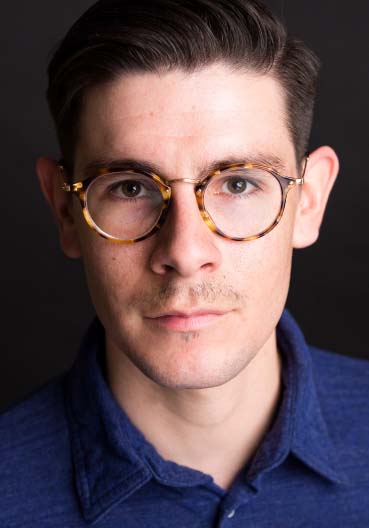
Miguel Castellano // SATIN
Miguel Castellano (he/him) is excited to be working with Intiman for the first time. He is a local actor originally from Southern California where he received his BFA in acting from California State University, Fullerton. He’s been seen most recently in The Tempest (Wooden O), Jeeves Takes A Bow (Taproot), Mr. Dickens and His Carol (Seattle Rep), and Sweat (ACT). Much love!
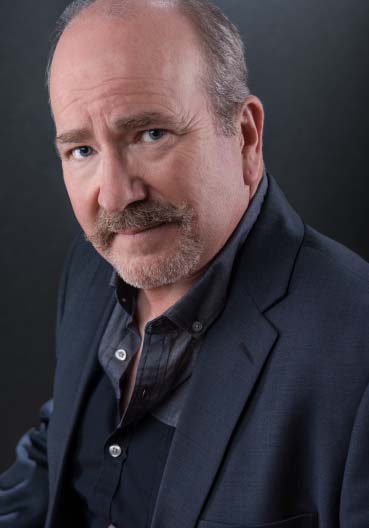
Rob Burgess // DUTCH
NW born and bred, Rob is so happy to share in the ancient art of dialogue between artists and audience! His work has been seen on many Seattle stages including ACT, Seattle Rep, The 5th Avenue, Straw Shop, and the venerable Empty Space and he has even terrified himself in a few incarnations of 14/48. Many people say that Rob is funny….but, looks aren’t everything!
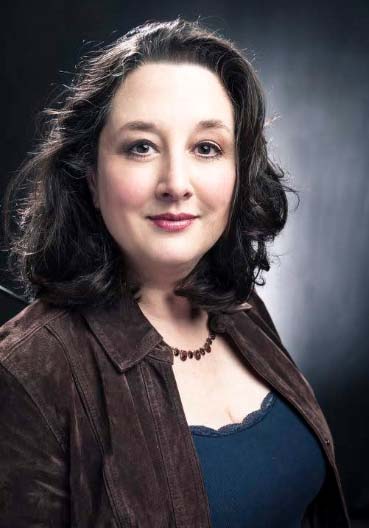
Julie Briskman // CHARLIE
Julie Briskman (she/her) last appeared at Intiman as Virginia Butley in Native Gardens. She is a co-founder of The Seagull Project playing Arkadina in The Seagull, Olga in The Three Sisters, and Ranevskaya in The Cherry Orchard. Julie has been seen in leading roles on all of Seattle’s stages, including Seattle Rep (Sugar in Tiny Beautiful Things, and Vera in Indecent); ACT (Linda in The Thin Place); and at major theaters across the country including Yale Rep, Berkeley Rep, and Milwaukee Rep. She spent seven seasons at The Guthrie Theater in Minneapolis where roles ranged from Gwendolen in The Importance of Being Earnest to the title role in Molly Sweeney. She is a proud recipient of the Lunt-Fontanne Fellowship (David Hyde Pierce master teacher) and was a member of the Ten Chimneys invited master class with Olympia Dukakis who became her dear friend and mentor in all things Chekhov.
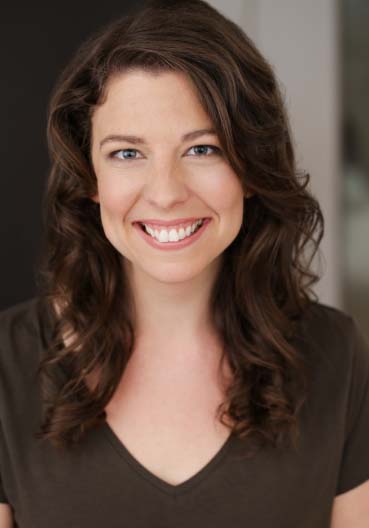
Kiki Abba // NATASHA
Kiki (she/her) is an actor and producer based in Seattle. Favorite acting credits include Arlington (WET), Everything You Touch (WET), No More Sad Things (Forward Flux), and Belleville (MAP Theatre). In 2019, she was nominated for Outstanding Performance in a Play at The Gregory Awards for Everything You Touch.
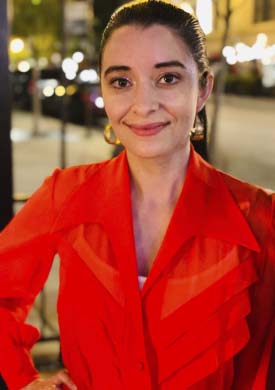
Danielle (she/her) is honored to be making her Intiman debut. Her work has been seen at The Old Globe, The 5th Avenue Theatre, Seattle Repertory Theatre, Dallas Theater Center, South Coast Repertory Theatre, The Goodman Theatre, St. Louis Shakespeare Festival, ACT Theatre, Village Theatre, Alabama Shakespeare Festival, and Cleveland Playhouse. Off-Broadway credits: Pity in History, No End of Blame, Gertrude The Cry, and Lovesong of the Electric Bear for PTP/NYC at the Atlantic Stage 2. Danielle holds an M.F.A. in Costume Design from the University of California Irvine and a curatorial certification for Japanese and Western costumes from the Kyoto Costume Institute. www.daniellenieves.com
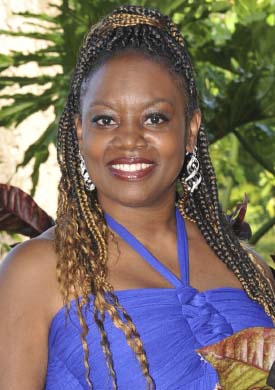
Vania C. Bynum (she/her) has a BS, Auburn University Engineering and BFA, Cornish College of the Arts) is the founder and artistic director of VCBynum Arts and Education. She has taught and choreographed throughout the Seattle area, performing in the Paramount & Moore Theaters, Intiman Theatre, Benaroya Hall, the Meydenbauer and more. Vania directed New Beginnings Christian Fellowship’s Adult Dance Ministry for 11 years.
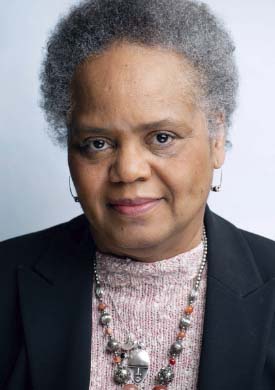
Valerie is currently the Head of Directing and Playwriting at the University of Washington School of Drama, and she serves as the Founding Artistic Director for The Hansberry Project, a professional African American theatre lab. Intiman credits include directing Bulrusher, Trouble in Mind, and The Wedding Band. She has worked with professional theatre’s across the country including: The Guthrie Theatre, Steppenwolf Theatre, Denver Center for the Performing Arts, Seattle Rep, Playmakers Repertory Company, Actors’ Theatre of Louisville, Alabama Shakespeare Festival, Seattle Children’s Theatre, The Mark Taper Forum, New York Theatre Workshop, and Southern Repertory Theatre among others.
Awards: 2020: Seattle Times Most Influential People of the Last Decade; 2019: Theatre Puget Sound – Gregory Falls Award for Sustained Achievement; 2016: Seattle Times Footlight Award (Best in Show) 2014: Stranger Genius Awards in Performance and the Crosscut Courage Award for Culture; 2012: Gypsy Rose Lee Award for Excellence in Direction; 2001: Stage Directors and Choreographers Foundation’s (SDCF) Gielgud Directing Fellowship 1997-1999: NEA/TCG Career Development Fellowship for Directors.
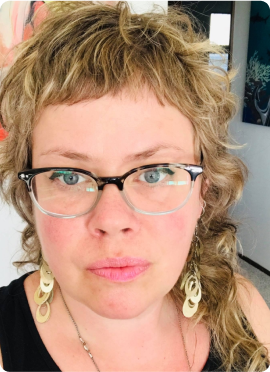
Jennifer (she/they) is thrilled return to the Intiman stage where she has designed scenery since 2006. Previous Intiman shows include: The Niceties, Angels in America, Dragon Lady, Heartbreak House, Trouble in Mind, Stu for Silverton, and Bulrusher among others. Locally, Jen has designed many shows for ACT Theatre, Seattle Rep, Seattle Childrens, Seattle Shakespeare and more. Nationally, their scenic designs have been seen at: NY Public Theatre, Guthrie Theatre, Two River, Pittsburgh Public, The Rose, Duke Presents, Red Cat, The Clarice Center and more. A Seattle based scenic designer, stage director and producer, she is honored to serve intiman Theatre as Artistic Director and is a Founding Co-Artistic Director of Washington Ensemble Theatre, winner of The Stranger Genius Award in Theatre and three-time Gregory Falls Best Scenic Design recipient. Jennifer is grateful to receive funding for her original and touring work from: The Seattle Ottice of Arts and Culture Theatre Communications Group, Map Fund, Creative Capital, Artist Trust, 4Culture, and The National Endowment for the Arts. Jennifer is a proud member of USA 829. BFA Directing, BFA Theatre Design – University of Rhode Island 1996, MA Scenic Design – University of Washington, 2003
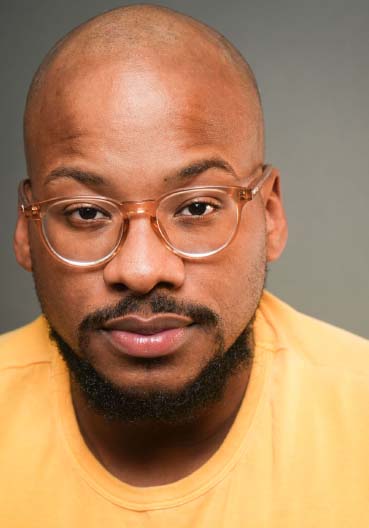
Yusef (he/they) is honored to be a part of bringing Black Nativity back to Seattle! The holiday seasons and the music continuously shape the artist he is today. He is new to the Pacific Northwest and a queer Detroit native who holds an MFA in Acting from Southern Methodist and BFA in Musical Theatre. Select credits: Last Drive to Dodge Prophet); Sweeney Todd (Sweeny Todd); Shakespeare in Love (William Shakespeare ; The Agitators (Frederick Douglass); Angels in America (Belize); Little Shop of Horrors (Audrey II); As You Like It (Orlando); The Little Mermaid (Sebastian); and Tartuffe (Orgon). A big shout out to my partners and community of love and support that encourage me. Thank you, Mom and Dad for always making sure I found joy. @Blackbassclef, Yusefseevers.com.
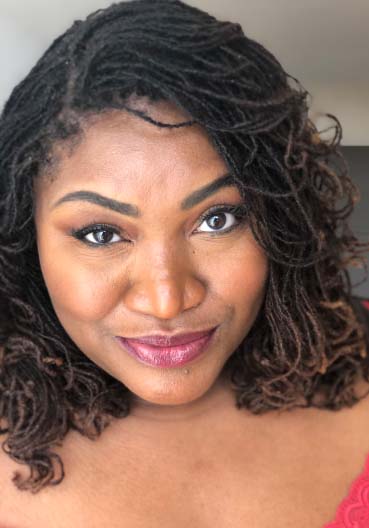
Shaunyce Omar (she/her) Intiman credits: Wedding Band, Barbecue & Crowns. Other credits include: The Little Mermaid, Four Women, Into the Woods, Shout Sister Shout, Fannie, As You Like It, Hairspray, Matilda, The Wiz, Chicago, Pajama Game and Rejoice! TV/Film: The Librarians, Last Seen In Idaho and Portal Runner. Shaunyce’s voice can be heard as the character Madison Grant in the State of Decay: LIFELINE video game. Shaunyce is the recipient of 2 Gregory Awards, a Seattle Times’ Footlight award, Broadway World and a 5th Avenue Theatre Subscriber Choice Awards. In addition to stage and screen, Omar is a teaching artist and has taught in both public and private schools, arts organizations and overseas as a Master Sensei of Gospel Music in Japan. She holds a B.A degree in Theatre from Southern University and A&M College.
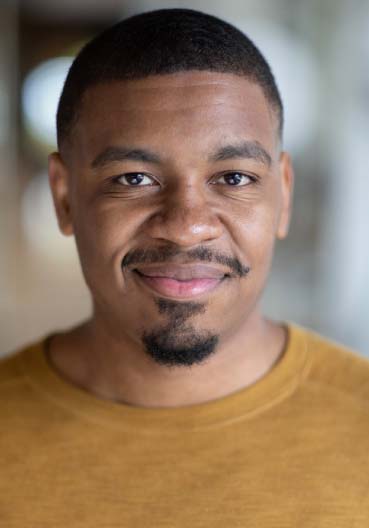
Jarron A. Williams (he/ him) is a St. Louis native, is a recent MFA in Acting graduate of University of Washington 23’. Jarron expresses gratitude to his family, friends, The UW, and the Seattle theatre community for their love and support. He believes that without them he cannot do half of what he does. His Credits include: Twelfth Night (Seattle Shakespeare Company), and A Very Die Hard Christmas (Seattle Public Theatre), and Choir Boy (ACT Theatre).
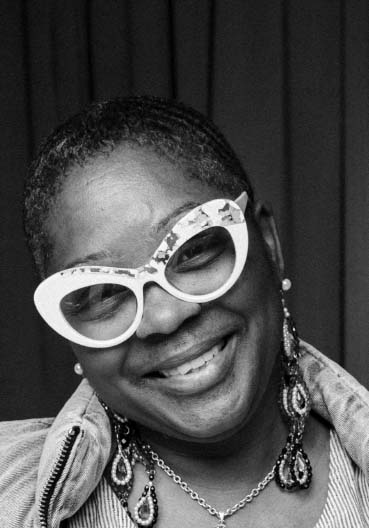
Felicia Loud has worked extensively in Theater. In 2022, she wrote and starred in her one-woman show Here There Be Dragons which debuted at ArtsWest in West Seattle. Her work also includes: Pullman Porter Blues at Seattle Repertory Theater, Lady Day at Emerson’s Bar and Grill at Strawberry Theater and ArtsWest, and I Know Why the Caged Bird Sings at Theater Off Jackson to name a few. She was nominated for a Gregory Award in 2018 for her portrayal of Billie Holiday in Lady Day at Emerson Bar and Grill and recently appeared in the 5th Avenue Theater’s production of Rock of Ages. She also has worked as a youth director for students, ages 6-12 years old at Langston Hughes Performing Arts Center.
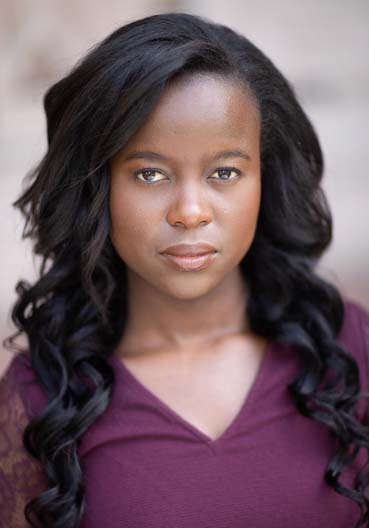
Esther Okech (she/her) is very happy to be making her Intiman debut! She is an actor and educator from Kenya. She graduated from Cornell University where she pursued a BSc in Environmental Science and she is a recent graduate of the MFA Acting Program at the University of Washington School of Drama. Past credits include: No Exit, The Baltimore Waltz, Father Comes Home from the Wars and The Oresteia (University of Washington School of Drama); Macbeth (Seattle Shakespeare Company); Lydia and the Troll (Seattle Rep).

Gregoiré Séxton Brown, better known by stage name “Sax G”, is a multidisciplinary artist. As a musician he’s worked with Brainfeeder’s Georgia Anne Muldrow, Shady Records’ and internet favorite Conway, The Machine. His last performances being at SXSW and The NorthWest FolkLife Festival.
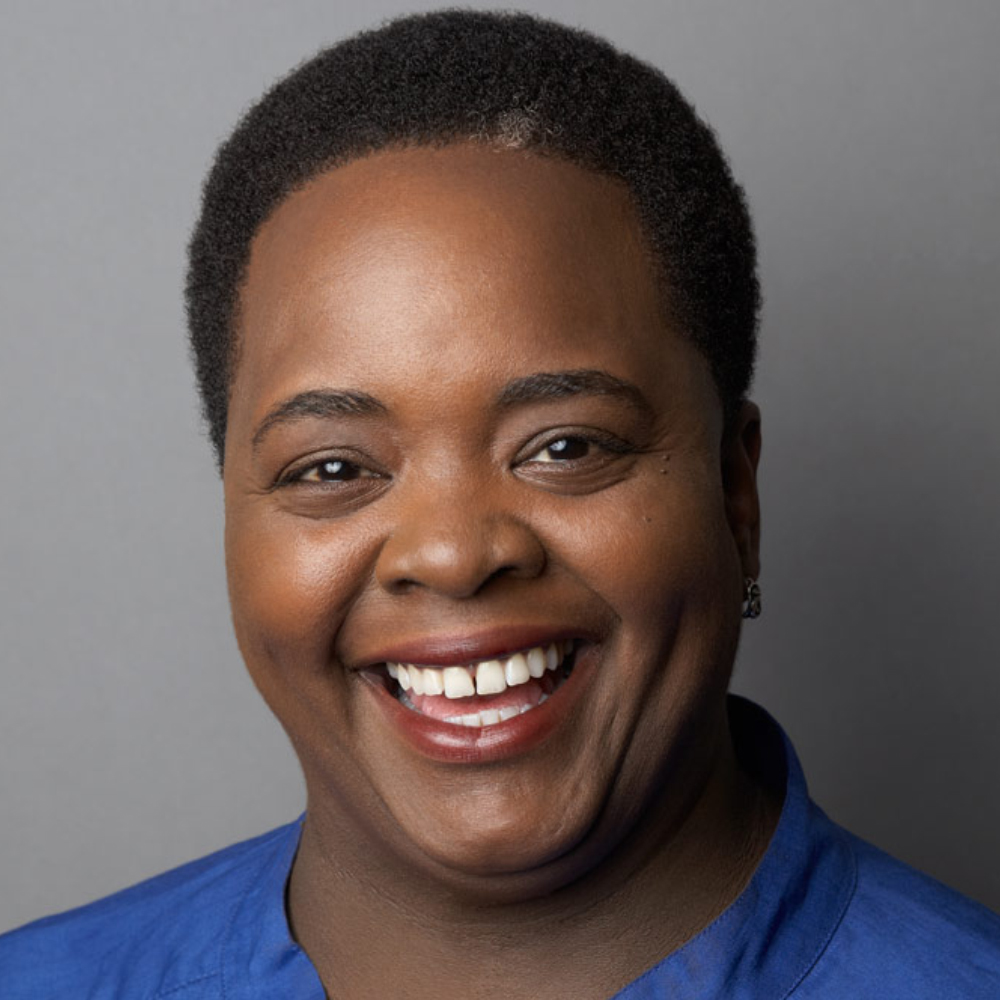
Michelle Nicole Matlock is the founder of Circle Up Productions (CUP), a live entertainment and performing arts education company based in Tacoma, WA. Currently, Michelle is the curator of Puget Sound Revels, Our Truths-An Evening of Global Majority Stories and leading several online Power of Play Clown Workshops. Michelle has been a part of the entertainment industry for over 25 years and had the honor of being the first African American to create a main character for Cirque du Soleil. She toured with Cirque’s big top show OVO for close to 10 years. Prior to Cirque du Soleil, Michelle spent 15 years as a performing artist, teacher and producer in New York City. During that time, she toured her critically acclaimed solo show The Mammy Project across North and South America and had the pleasure of working in the NY theater and circus scene, playing with Big Apple Circus Clown Care, Circus Amok and The Bindlestiff Family Cirkus. Michelle grew up in Tacoma, WA., studied theater for 3 years at Western Washington University in Bellingham, WA. and is a Graduate of the National Shakespeare Conservatory in New York City.
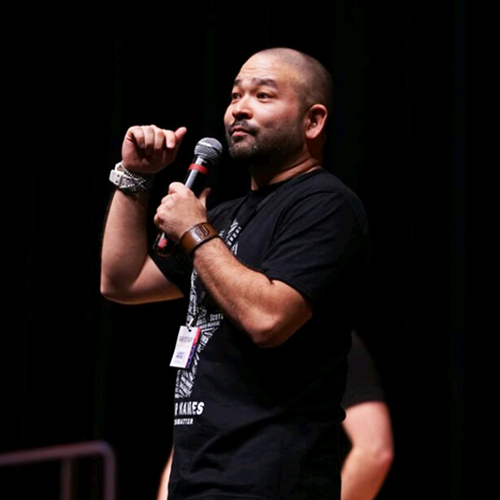
Masao works in the music industry and with youth empowerment organizations. He is Co-Founder of projectUcan, and is part of the City of Seattle, Creative Advantage initiative. He is currently launching a new form of mixed media for youth as the Program Manager for Ground Zero Radio at the Vera Project.
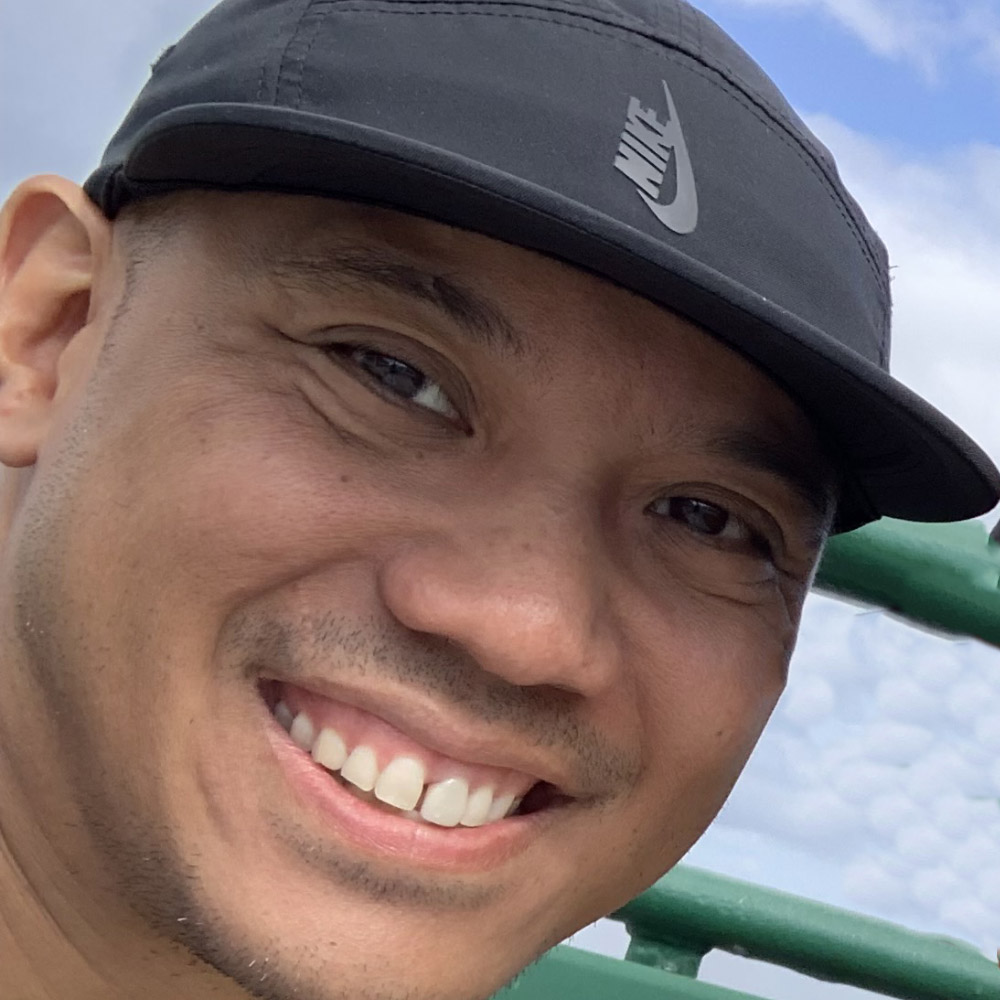
Terrence is a Seattle based filmmaker. Regional Emmy awardee (2016). Former Design Director of Video for the University of Washington Athletics marketing department. Starfish Documentary Mentor. Currently filming for his Filipinx Food Seattle documentary. Serving as part or full owner of @musangtinos @filipinxfoodseattle @anaktoykompany & @loveandpicnics.

Howdy folks! I am Tariq Sahali and I am recognized for my technical aptitude, troubleshooting perception, technical evangelism and presentation style. This recognition has earned the nickname – tarqnology. Tarqnology is my ability to convey technical information in a non-technical manner to advanced & non-technical users of technology. Specifically, my technical expertise encompasses enterprise information technology support, digital media development and delivery (broadcasting), and Nanotechnology – an applied science. In IT, I am responsible for delivering timely technical solutions of varying scopes (Hardware, software, networking, and peripherals) to the end-user in dramatic, educational & theatrical environments. Having the ability to “put myself in their shoes”, a keen sense of empathy coupled with a supreme level of patience, and the know-how, has made Theatre Tech IT – “my thing”. In the world of Digital Media development, I’m responsible for planning, test scripting and quality assurance of hardware and software applications, coordination of content delivery via multiple sources, and addressing individuals or large groups to advancements of future digital production concepts and tools; lessons are available. So when you get a chance, talk nerdy to me.
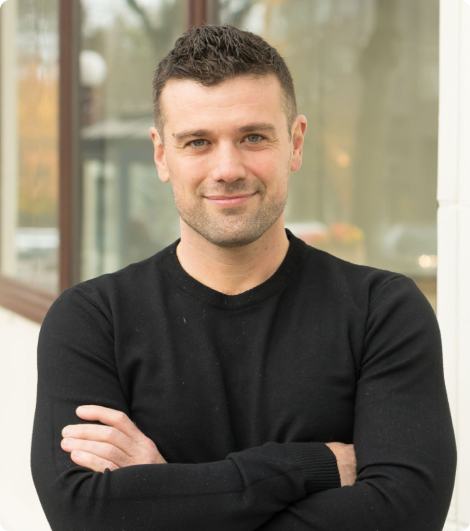
Ryan Guzzo Purcell (he/him) is the artistic director of The Williams Project. Intiman credits include their co-production of Orpheus Descending. For The Williams Project: Marisol, Blood Wedding, A Bright Room Called Day, Blues For Mister Charlie. Other directing credits include Magic Theater, where he directed world premieres by Mfoniso Udofia and Christina Anderson, as well as Strawberry Theater Workshop, Washington Ensemble Theater, The Hangar Theatre, Olney Theatre Center and more. He has an MFA from Brown University, and a Fulbright Scholarship to develop theatrical practice based on Capoeira. He’s a born and raised Seattleite.
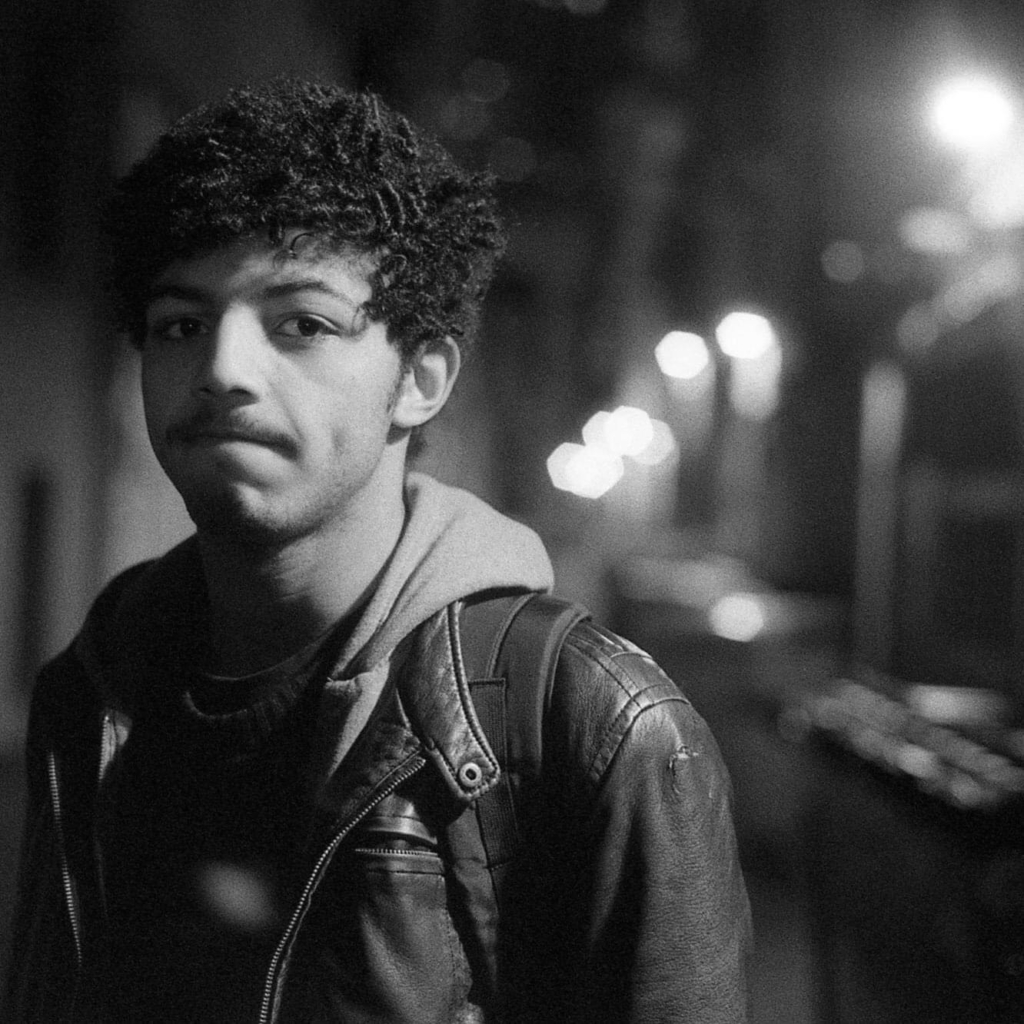
Rajah is a multimedia artist based out of Seattle who specializes in projection and video based art. His installation videos often explore themes of media history and the ephemeral nature of the era of digital media.
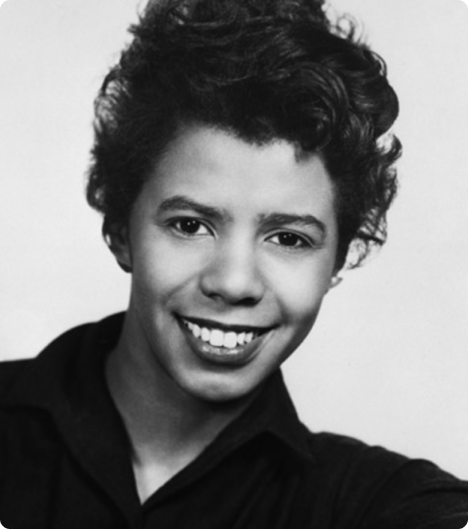
When Lorraine Hansberry’s (1930-1965) landmark play A Raisin in the Sun appeared on Broadway in 1959, the artist became, at twenty-nine, the first Black woman to be produced on Broadway and the youngest American playwright, the fifth woman, and the first Black American to win the New York Drama Critics Circle Award for Best Play of the Year. She was nominated for a Tony Award for Best Play in 1960, and in 1961, the film version won a special award at the Cannes Film Festival and was nominated for a Screen Writers Guild Award for Hansberry’s screenplay.
In 1965, Lorraine Hansberry died of cancer at age 34. In the six years she had between the triumph of her first play and her death, she was extraordinarily prolific. Her second play to be produced on Broadway, The Sign in Sidney Brustein’s Window, closed right before she passed away. To Be Young, Gifted, and Black, an autobiographical portrait in her own words adapted by her former husband and literary executor Robert Nemiroff, was posthumously produced in 1969 and toured across the country. In 1970, Les Blancs, her play about the inevitability of struggle between colonizers and the colonized in Africa, ran on Broadway to critical acclaim.
During her career as a playwright, Hansberry wrote many articles and essays on literary criticism, racism, sexism, homophobia, world peace and other social and political issues. At her death, she left behind file cabinets holding her public and private correspondence, speeches and journals, and various manuscripts in several genres: plays for stage and screen, essays, poetry, and an almost complete novel. (Biography courtesy of and adapted from the Lorraine Hansberry Trust)
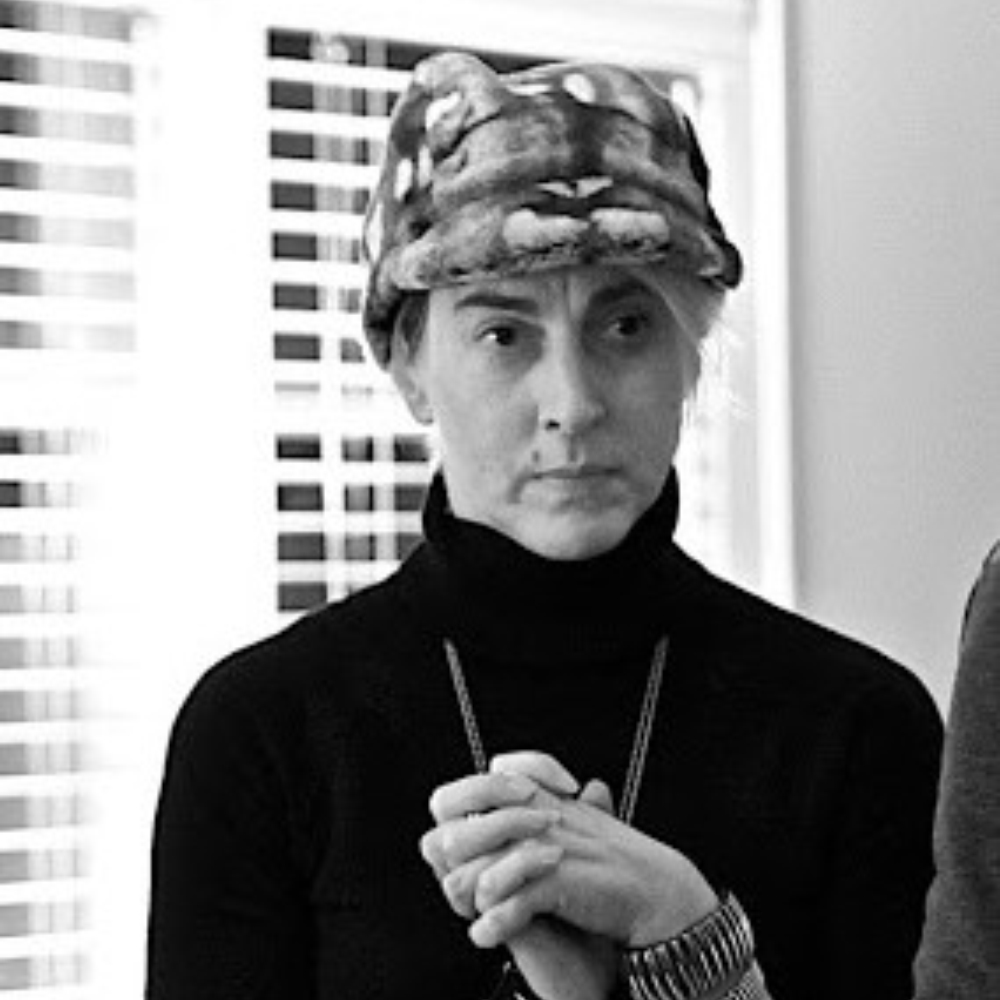
K.D. has nearly 30 years experience with almost every facet of Costume Design and Wardrobe. She has been a cutter, stitcher, draper, assistant to the Designer and Costume Designer. She has worked in the wardrobe dept in films, music videos and the theatre as dresser, wig crew and wardrobe supervisor. She is a proud member of TWU 887. The theatres she has worked with include Seattle Rep, Intiman, ACT, 5th Avenue, On the Boards, Spectrum Dance, Seattle Shakespeare Co., Book it Repertory, Strawberry Theatre Workshop and Portland Playhouse. She has worked on the films of the Directors Wes Hurley, Lynn Shelton, Charles Mudede and Norma Jean Straw. The choreographers she has collaborated with include Pat Graney, Donald Byrd, Alice Ghosti, 33 Fainting Spells and Maureen Whiting. She has worked with the students in The Starfish Project, Cornish College of the Arts, Holy Names Academy, Kennedy Catholic High School,The Northwest School and The Evergreen School. K.D. has a BFA in fibers/textiles from the University of Washington and worked for many years as a production weaver. Which made her a firm believer that there are many different paths that lead to a life in the theatre and that she hopes to be able to help many along theirs.
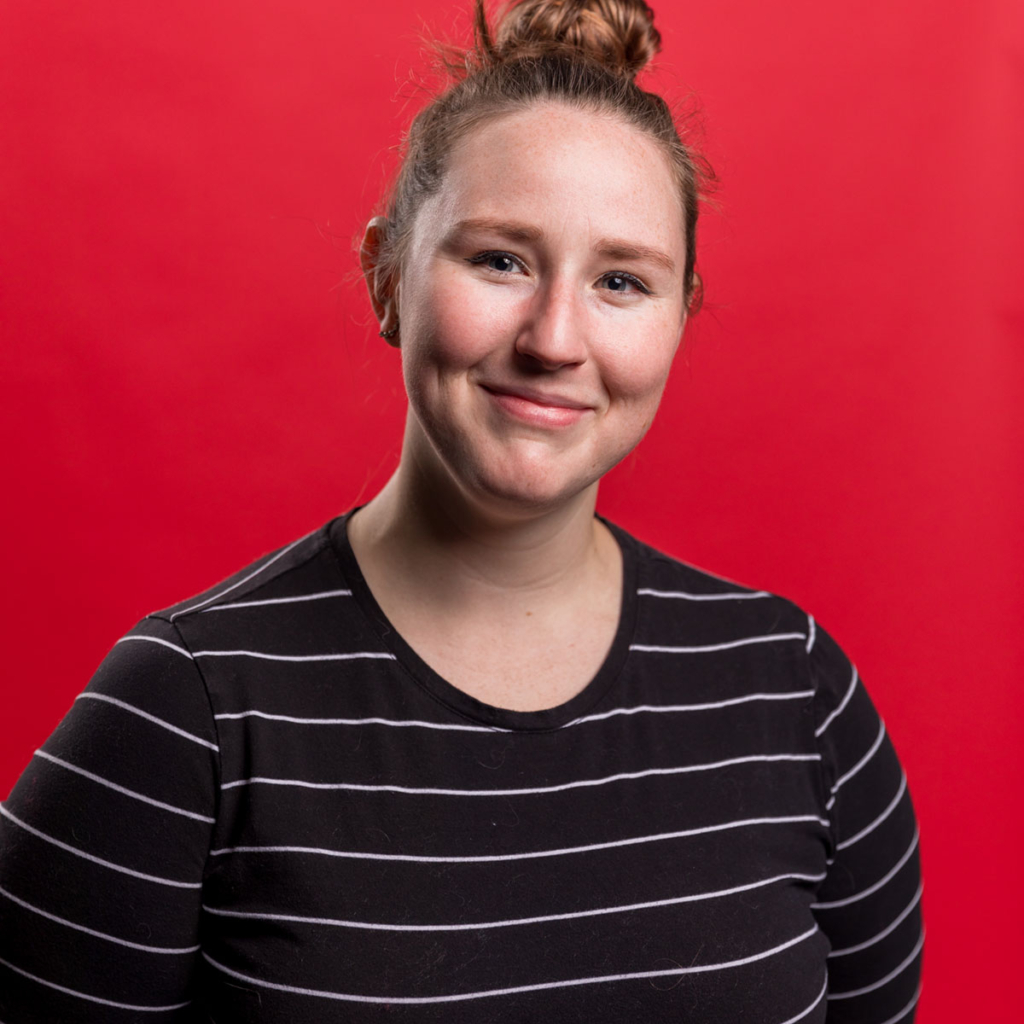
Kathleen is a Pacific Northwest base 3D Experience Designer, Technical Theatre Mentor and Professional. She has cultivated ten year of experience in the live entertainment, film, and events industry working both in corporate and theatre. In addition to her love for theatre and design she also serves on the Friends of the Conservatory Events Committee contributing to the Volunteer Park Conservatory.
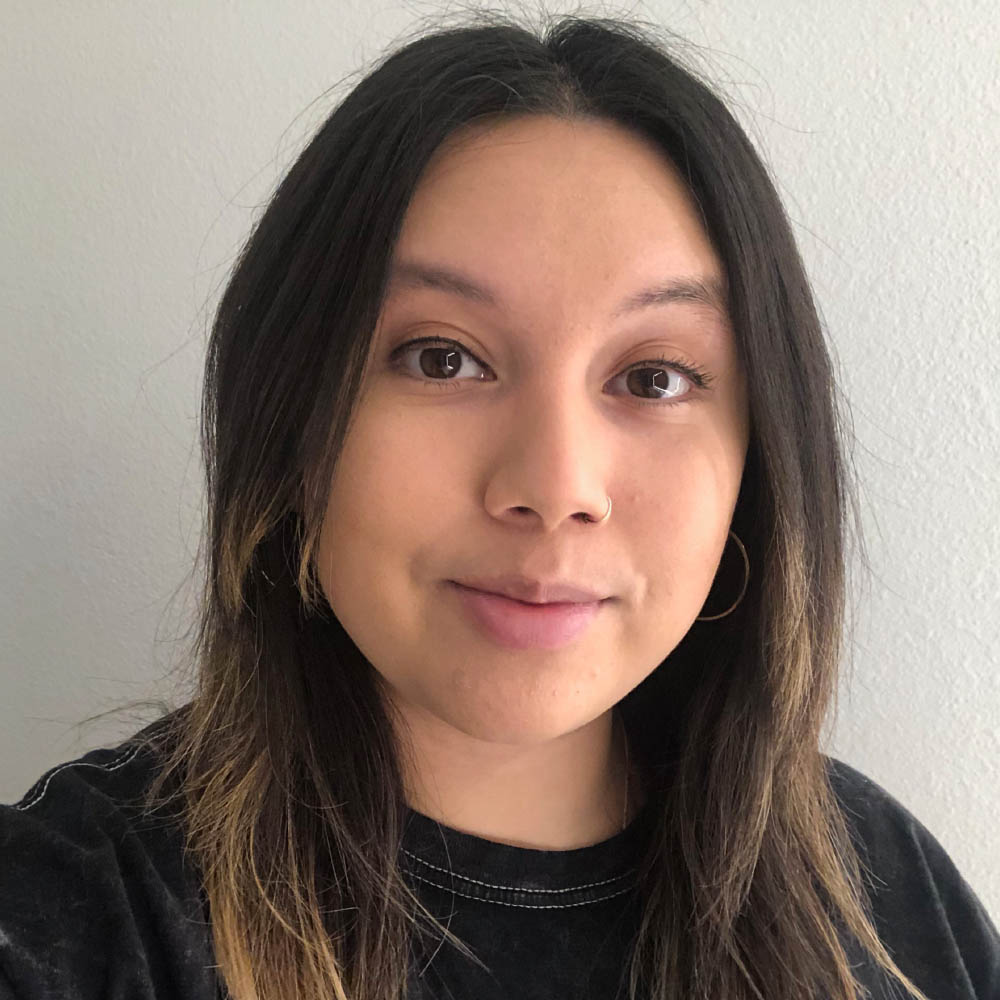
Vada discovered her passion for lighting after her first theatre production in high school. She graduated from DePaul University with a BFA in Lighting Design and served as the Lighting Design Intern at Seattle Repertory Theatre for the 2016-2017 season. She joined the Lightswitch team in 2019. Her favorite credits include leading the Overwatch League 2018-2019 team as the Lighting Director, tour programmer for Esperanza Spaulding ’12 Little Spells Tour’ and serving as a Lighting Designer for the Nerf Tour stops. In her spare time, Vada enjoys sketching and finding new ways to push the envelope on every production.
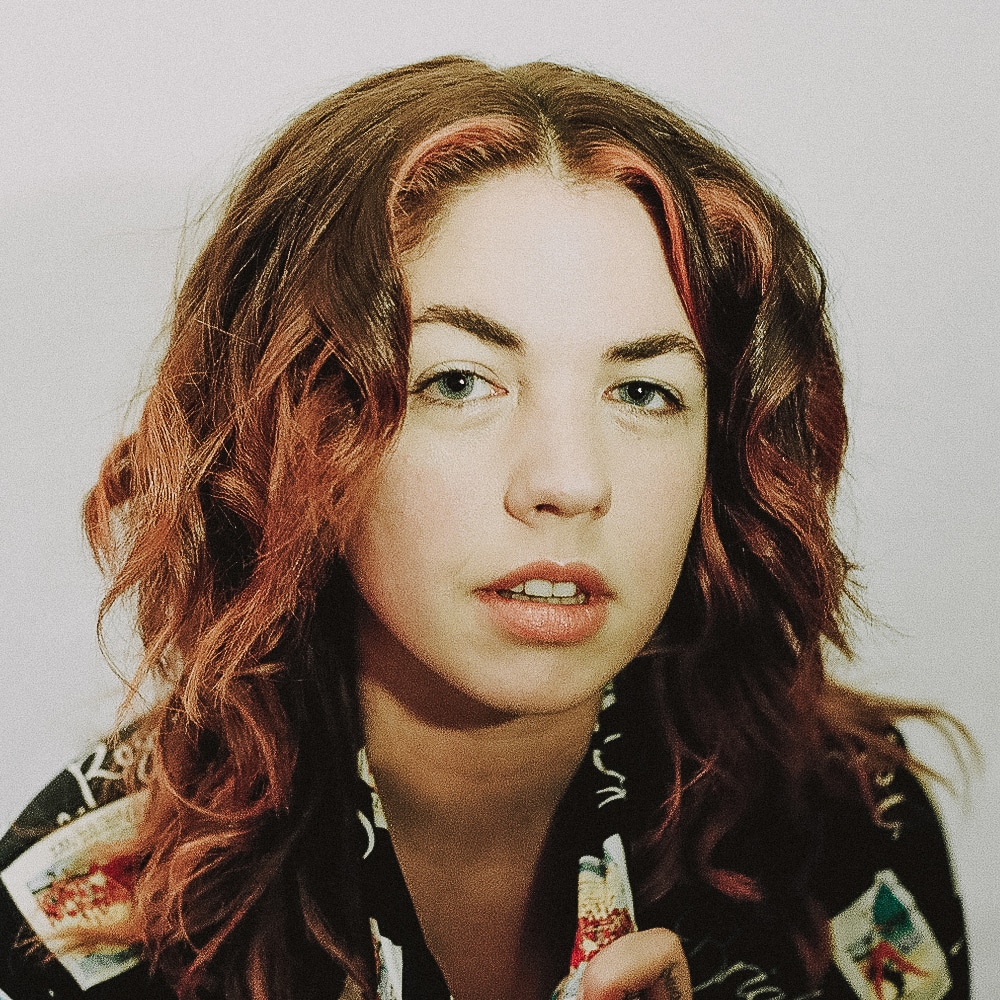
Erin is a storyteller, connector, and sound fanatic who has lived in Seattle, WA for over a decade. Her career has taken her to regional theaters, Off-Broadway productions, award ceremonies, news publications, institutions, and classrooms around the country. Also an arts administrator, musician, actor, and producer, Erin has a particular knack for new work and takes a dramaturgical approach to most things. She is a community minded person and attributes her path to each collaborative relationship she’s made along the way. More at www.erinbednarz.com

Alison (they/them) is a 2018 Intiman Emerging Stage Manager and multidisciplinary theatre artist specializing in stage management, directing, and sound design. Their stage management is human-focused, directing style is tech-forward and text-obsessed, and sound design features naturalistic layered soundscapes and artisanal nightmare noise. Favorite projects: Intiman’s The Events, All New Cells with The Shattered Glass Project, dani tirrell’s Black Bois, WET’s Is God Is, and MAP Theatre’s Year of the Rooster. Alison believes in healing the world, feminist science fiction, radical self-worth, and actual decolonization. professionalmomfriend.com
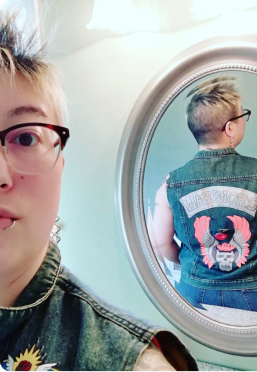
Jessamyn Bateman-Iino (they/them) is a stage manager and prop master from the Seattle area. Past favorite shows include Curiouser and Curiouser (Cafe Nordo), Live! From the Last Night of My Life (Theater Schmeater, Theatre22) and Sweeney Todd (Reboot Theatre). They also make cute and creepy crafts, which can be found at mutinyhall.com.
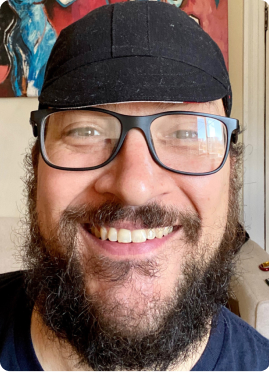
Matt Starritt (he/him) is a Seattle-based, freelance sound designer. In Seattle, he has designed for ACT, Seattle Repertory Theatre, Intiman Theatre, Seattle Shakespeare Company, Strawberry Theatre Workshop, Book-It Repertory Theatre, ArtsWest, Cherdonna, Kitten and Lou, New Century Theatre Company, The Williams Project, BenDeLaCreme, Waxie Moon, zoe | juniper, and Washington Ensemble Theatre. Nationally, he has designed for Alley Theatre, Berkeley Repertory Theatre, Cornerstone Theater Company, The Old Globe, South Coast Repertory, and the Under the Radar Festival at the Public Theatre. He is the sound supervisor at Meany Center for the Performing Arts at the University of Washington and was a founding member of Washington Ensemble Theatre.
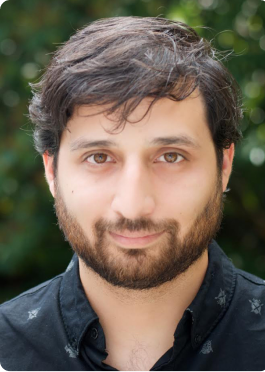
Robert (He/Him) is a Latinx lighting designer. Previous designs for Intiman include Native Gardens, Hir, Wedding Band, Barbeque, and Angels in America. Other PNW credits include: In the Heights, MACBETH, A Raisin in the Sun, I Am My Own Wife, and Lizard Boy (Seattle Rep); The Year of Magical Thinking, Romeo and Juliet, and The Wolves (ACT); Urinetown (ACT/The 5th Avenue Theatre); The Pajama Game, How to Succeed…, and Jasper in Deadland (The 5th Avenue Theatre); Spelling Bee…, and String (Village Theatre); The Curious Incident of the Dog in the Night-Time and In the Heights (Portland Center Stage). Regional credits include Lizard Boy (Theatre Works Silicon Valley); Little Shop of Horrors and Marjorie Prime (Pittsburgh Public); Susan (Public Theater UTR); Full Gallop (The Old Globe); In the Heights, Seven Spots on the Sun (Cincinnati Playhouse in the Park); In the Heights (Milwaukee Rep). Film: The Jinkx and Dela Holiday Special, Potato Dreams of America. Robert is the lighting director of Seattle Rep. IG:robertjaguilar.com @fake_robert
Photo by Chris Monsos
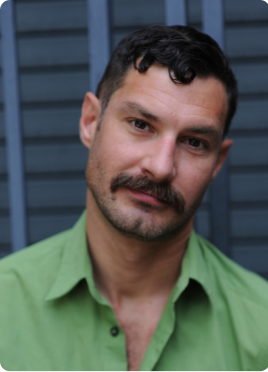
Pete Rush (he/him) designs costumes and scenery for the theatre. Seattle designs include: Romeo + Juliet, Legend of Georgia McBride, Rapture Blister Burn, Little Shop of Horrors, Bad Apples (ACT); Comedy of Errors, Hamlet, Electra, Government Inspector, A Doll’s House, Merchant of Venice (Seattle Shakespeare Company); Welcome to Braggsville, The Picture of Dorian Gray, Turn of the Screw, The Cider House Rules, Sense and Sensibility (Book-It Repertory); Jasper in Deadland, RENT (5th Avenue); The Adding Machine (New Century Theater Company); Feathers and Teeth, BedSnake, and Sextet (Washington Ensemble Theatre); as well as productions at Taproot Theatre, ArtsWest, and Seattle Public Theater. Regional: Hangar Theatre, George Street Playhouse, Berkshire Theatre Festival, Bloomsburg Theatre Ensemble, and Northeast Theater Company. He has served as a guest artist/adjunct faculty at Seattle University. Additionally, Pete works for Seattle Center, where he manages free public programs and events including Winterfest, campus art installations, and Movies and Concerts at the Mural.

Devin is a scenic designer and theater maker based in Seattle. Most recently, his work could be seen in Dacha Theatre’s Much Ado About Nothing and the Broadway Bound Children’s Theatre production of The Little Mermaid. In 2019, he assisted Jennifer Zeyl on the set design for Bulrusher at Intiman. Additional local design credits include working with Washington Ensemble Theatre, Annex, On-the-Boards, Seattle Musical Theatre, The 5th Avenue Theatre, and Whitman College. Upcoming productions: Village Kidstage’s Matilda the Musical and Broadway Bound’s spring season. Outside of the theatre, Devin is an avid gardener, angler, hiker, rock-hound, bird-watcher, and an enthusiastic wanderer. Special thanks to his ever supportive wife, Susannah! BA: Whitman College. MFA: NYU Tisch.devinpetersen.com
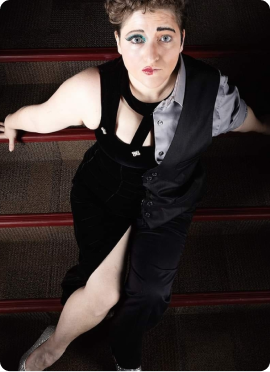
Jasmine Joshua (they/them) is the founder and Artistic Director of the award-winning Reboot Theatre Company, whose mission is to test new interpretations of established works through nontraditional casting, design, and methods yet to be discovered. They are also an actor (Intiman, Book-It, Seattle Musical Theatre, Schmee, Annex) and a director (Cafe Nordo, Reboot, assoc dir at Village for XY, assist dir at 5th Ave for Bliss). Their solo show Bread Crumb premiered at ACT’s Solo Fest in 2020 and was a part of Ars Nova’s ANT Fest 2021. They are currently workshopping their nonbinary musical Here and Their at Seattle Rep. They graduated magna cum laude from UC Santa Cruz with a BA in Creative Writing and a minor in Jewish Studies. In another life, Jasmine was a theatrical publicist who represented Broadway tours, LORT theatres, opera, ballet, and a monster truck rally. www.jasminejoshua.com
Photo by Brett Love
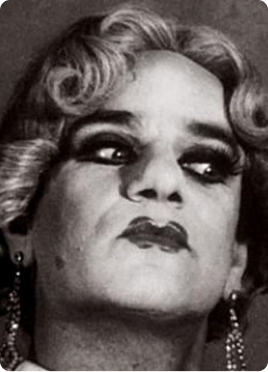
Charles Ludlam (1943 – 1987), was an American playwright, director, and actor. He was born in Long Island, and grew to love theatre when he saw a Punch and Judy show at a local fair.
After studying drama at Hofstra University, Ludlam moved into Greenwich Village, where he would spend the rest of his life, and became part of the new gay theater and film scene that was flourishing in the mid-1960s. He founded his own theatre company, the Ridiculous Theatre Company in 1967. Like his idol, Molière, Ludlam was the producer, director, playwright, and diva of his company from its inception in 1967 until his death. He wrote at least one play a year. The company moved from venue to venue in its early years, usually playing late-night shows, until it found a permanent home in a former nightclub at One Sheridan Square in 1967.
Ludlams’s plays were built from trash culture, particularly B movies (such as Conquest of the Universe [1967]) and high art (such as his version of Wagner’s ring cycle, Der Ring Gott Farblonjet [1977]). It is difficult to separate the most successful works from Ludlam’s famous performances in them: his adaptation of Camille (1973); and the “Victorian penny dreadful,” The Mystery of Irma Vep (1984), in which he and Everett Quinton played seven male and female roles. Irma Vep has become a repertory staple in theaters across America.
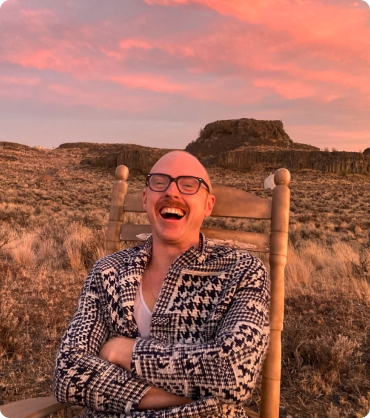
Wesley Frugé (he/him) is a producer, director, actor, fundraiser, and community organizer. A native Texan, Wesley relocated to Seattle in late 2013 after living in NYC for 8 years. He is the Director of Development and Communications at Intiman Theatre. Wesley founded and was the Producing Artistic Director of Forward Flux Productions from 2013-2018. He is the co-founder and Executive Director of BeautyBoiz, and co-creator and director of THE GRIEF DIALOGUES stage show. He produces and directs drag shows and nightlife events for the LGBTQ+ community, and has spent over 20 years working in the theatre. With Forward Flux, he produced and/or directed ten new plays, and over fifty live art events. He has conceived and directed artist residencies, new play development series, podcasts, and countless live events around the country. Wesley serves on the steering committee for the Capitol Hill Arts District. BFA Musical Theatre, Sam Houston State University.
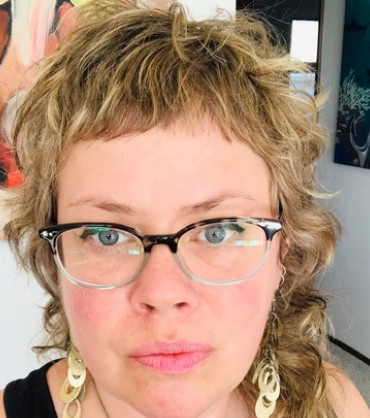
Jennifer Zeyl (jz/they/she) is a 20 year resident of Capitol Hill, an insatiable member of our city’s performance landscape, and jz is so joyful to be collaborating with community to bring you HOMECOMING! Previous performance commissions and curation are with Washington Ensemble Theatre, Smoke Farm’s LoFi Festival, City Art’s Genre Bender and Canoe Social Club. Jen works at Intiman as their Artistic Director, celebrates 10 years this summer and looks forward to 10 more as we move into our bold, new partnership with Seattle Central College on Capitol Hill.

Alexis is an accountant at the Seattle Foundation, and was formerly the lead event planner for Bumbershoot and Fare Start.
Melanie King is an art historian and educator. She has experience working in higher education, museums, and with K-12 educators. Her work is centered in exploring and expanding decolonial narratives and representation in education and the arts.
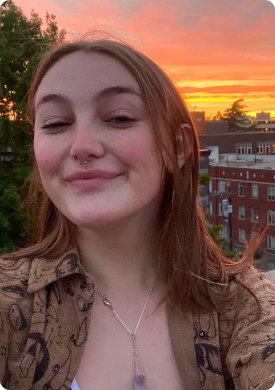
This is Hannah’s second year as a teaching artist with Sound End Stories, and they are incredibly excited to be welcomed back to continue their work. They are also a teaching artist with the Seattle Rep Theater. Hannah is a recent Musical Theater graduate from Cornish College of the Arts and continues to perform whenever possible.
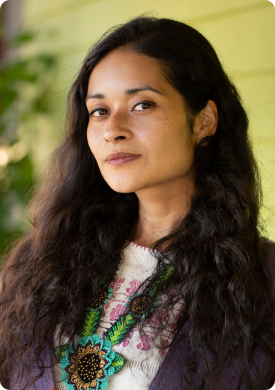
Maribel Gonzalez is an Indigenous Xicana educator, author, and workshop facilitator working to decolonize instructional practices so that youth, educators, and community members can show up as their most authentic selves.
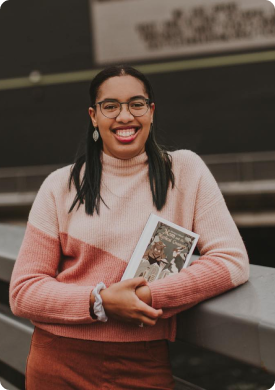
Monique is a writer and educator who is thrilled to be the Education Program Manager for the STARFISH Project. She grew up in Cleveland, Ohio, and just finished a Master’s Program at Arizona State University in Film and Media Studies. She is a playwright with staged readings of her plays at the Seattle Playwright’s Salon and the Pocket Theater. She loves inspiring students in their educational pursuits and has written and published a children’s book series set in Seattle. She is excited to support and encourage the next generation of technical theatre artists. EMAIL
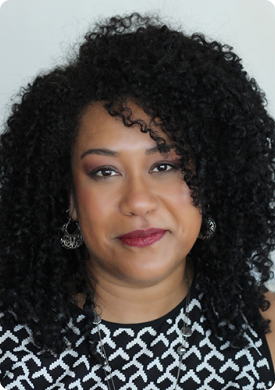
Lisa Marie is a freelance director, writer and new play developer. She is a Sundance Institute Theatre Lab Fellow (Directing) and Directors Lab West member. Regional directing/dramaturg work includes Hedgebrook Women’s Play Festival, Crowded Fire Theater, American Conservatory Theatre, Playwright Foundation, TheatreFirst, Berkeley Repertory Theater (Ground Floor), Shotgun Players, Custom Made Theatre, Magic Theatre, San Francisco Playhouse, TheaterWorks (CO). She has been a writing fellow with Hedgebrook, Djerassi, SF Writers Grotto, CALLALOO London, VONA, Just Theater Play Lab and Joshua Tree Highlands Artist Residency. She was honored with a “Bay Brilliant” artist award from San Francisco’s KQED and has received a Gerbode Special Award in the Arts for playwriting. She is a Community Arts Panelist for the Zellerbach Family Foundation and a Resident Artist with Crowded Fire Theater in San Francisco. She was recently highlighted in American Theater Magazine as one of their “Theatre Workers You Should Know.” She’s from Tacoma, WA. This collaboration feels like a bit of a homecoming.

Stefan is a Colorado native, Seattle-based actor/movement/performance artist & educator. After graduating from the University of Northern Colorado with a B.A. in Theatre Arts and Dance, he made his way to the PNW through the Intiman Emerging Artist Program in 2016 and has been a full-time artist in Seattle ever since. As a creative collaborator and storyteller, he believes in the power of storytelling and its ability to heal. The projects they seek to create and collaborate on examine and explore the intersections of stories and emotions related to physical space, natural movement within the body, and language/text. Some Seattle credits include Salvage Rituals (Tim Smith Stewart/Jeffery Azevedo), multiple educational touring shows with Book-It Theatre, Romeo y Julieta (Sophie Franco/Seattle Shakespeare), Black Bois (Dani Tirrel+Congregation), Time to Tell (Shawn Johnson), Pylon III (Tectonic Marrow Society), The Earth Shakes (Heron Ensemble), Carry We Openly (Amador/Stokes) and The House of Dinah (Andrew Russell/Dani Tirrell/Jerome Parker.) Stefan currently works as a teaching artist and administrator for South End Stories.
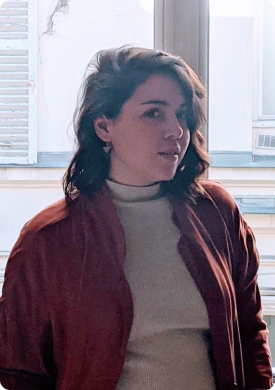
Francesca, aka Cessa, is an actor, intimacy director, facilitator, and administrator. She has worked as an artist & facilitator in Ireland, India, the Philippines, New York, Washington, Wisconsin, Maryland, Washington D.C., Florida, and internationally in the virtual world. She holds two BAs from Western Washington University in Theatre Arts and Sociology and has trained in Applied Theatre at the City University of New York. She is currently a facilitator for Art With Impact and Intimacy, Directors, & Coordinators. Her work is based in trauma-informed social/emotional arts practice, cultural competence, access, agency, and physical storytelling.
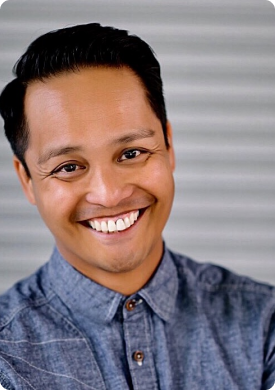
Jose is a Filipino American born and raised in Southern California who has lived in Seattle since 1994. A graduate of Cornish College of the Arts, Jose has worked as a teaching artist and professional actor in Seattle for over 20 years and is a two-time recipient of the Gypsy Rose Lee Award for his work in Branden Jacob Jenkins’ An Octoroon (ArtsWest, 2018) and A. Rey Pamatmat’s Edith Can Shoot Things and Hit Them (Seattle Public Theater, 2013). Jose has worked as a Marketing Coordinator, PR manager, and Social Media Manager at Seattle Children’s Theatre, ACT Theatre, and Book-It Repertory Theatre and recently worked as the Interim Communications Manager for ArtEquity, a national nonprofit working at the intersection of art and activism. He is a proud father of two and was raised by a long line of strong, proud Filipina nurses. EMAIL
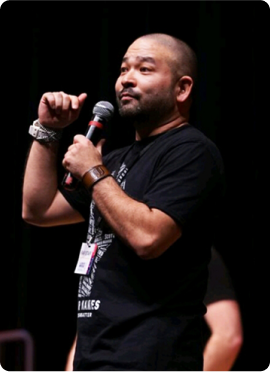
Masao works in the music industry and with youth empowerment organizations. He is a Co-Founder of projectUcan and is part of the City of Seattle Creative Advantage initiative. At the Boys & Girls Club, he was Director of High School programming for over a decade.

Dan is a media maker, educator and community activist. He is so proud of his affiliation with Intiman as a board member and audience member.
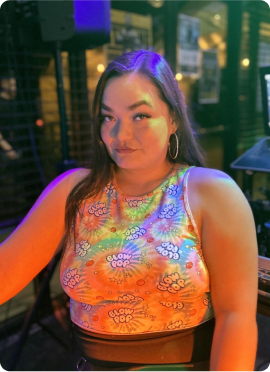
Nikki is an accomplished singer, actress and teaching artist. She currently serves as Artistic Director for Red Eagle Soaring, a local non-profit Native youth theater program. Nikki is the reigning World Karaoke Tour North American Champion, sings back-up for Seattle-based soul band Eric Blu & The Soul Revue, and has starred in a variety of plays and films in the Seattle area. She also serves as co-treasurer on the Copious Love board.
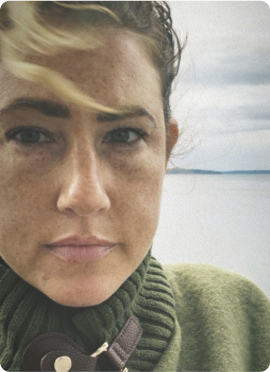
Danielle is a communications professional at the UW and an essayist, writer and podcaster. Danielle’s work has been published in Parents Magazine, DAME Magazine, Rewire News Group, Insider and beyond. Danielle has an extensive background in the performing arts, with a focus on building community through storytelling and performance as a political force.
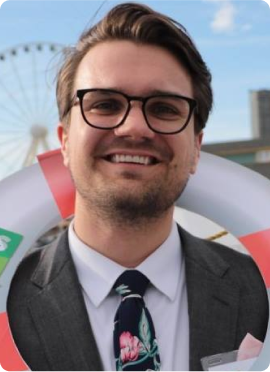
Anthony Derrick (he/him) is an executive communications professional with a long history of public-sector work. He received his undergraduate degree in English Literature with a focus on Modern American Drama, and his senior thesis project explored themes of masculinity and homosexuality in the works of Arthur Miller and Tennessee Williams. He is passionate about the power of theatre to inspire conversation and change lives.

Farheen is a Muslim community organizer with organizations including WASAT and Day of Dignity, and she is a lifelong Seattleite. She works as a Project Manager at the Garrigan Lyman Group.
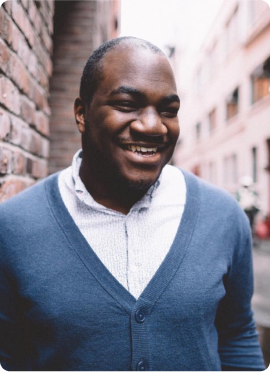
AK is a communications and community relations professional with experience in higher education. He’s an innovation & engagement manager in the Evans School of Public Policy & Governance at UW. He holds a Master of Communication in Communities & Networks from UW and a communication degree from WSU.
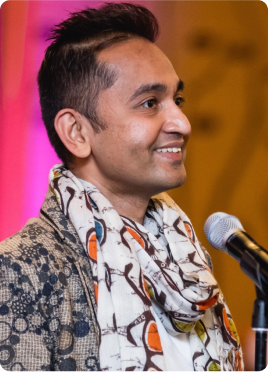
Kevin, A.K.A Captain Empathy, is a tech product leader and entrepreneur. He is a storyteller who brings the passion of arts and tech intersecting to help drive systemic changes and create spaces to empower communities.
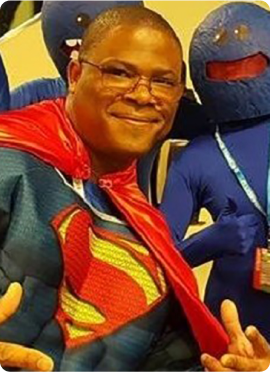
Donte is a Golden Apple Award-winning teacher who has served Seattle Public Schools since 1998. A community leader and organizer, he founded the Orca Drama Club, Columbia City Youth Theater Group and South End Stories, which provides extracurricular writing, theater, and film programs for children of all ages. His passion is bringing students together with local nonprofit organizations to provide access to opportunities that would otherwise be unavailable. In 2005, Mr. Felder was awarded the Washington Education Association’s Humanitarian Award for his own play, The First Day, a science fiction allegory about Brown versus the Board of Education that explores race relations. EMAIL
Bio coming soon

This is Rebecca’s second season with Intiman Theatre, and she is thrilled to be back after a wonderful first season. Rebecca received her bachelor’s degree in costume design from the California Institute of the Arts (CalArts). In 2019, after decades of teaching economics at an international high school in Tokyo, she decided to work full-time in theater. Since then, she has worked at Jacob’s Pillow in Massachusetts, The Western Stage in California, and the Chicago Opera Theatre.
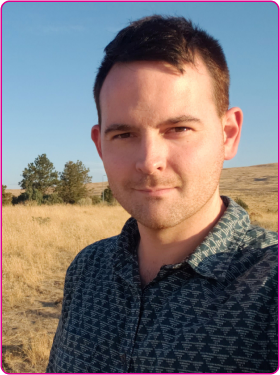
Devin is a local scenic designer and theater maker. Intiman: designed The Mystery of Irma Vep (‘22) and assisted Jennifer Zeyl on Bulrusher (‘19). Other local design credits: Broadway Bound Children’s Theatre, Washington Ensemble Theatre, Dacha, Village Kidstage, On-the-Boards NW New Works Festival, Seattle Musical Theatre, The 5th Avenue Theatre, and Whitman College. This spring, he has the joy and honor of teaching scenic design at the University of Puget Sound. Special thanks to his wife, Susannah, and his beloved senior dog, Sachi!
BA: Whitman College. MFA: NYU Tisch. devinpetersen.com

Essex joins Intiman with a decade of experience in community organizing and non-profit leadership in anti-violence and social justice philanthropy. A longtime arts supporter, Essex understands that artistic expression is essential for building strong, sustainable movements for equity and social justice. He regularly lives out those values on the dance floor as a DJ, often leveraging that skill to raise money for community arts-focused events. EMAIL
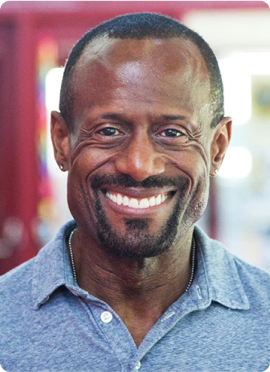
Veliere is a customer service specialist with over two decades of experience in ticket sales and customer service management. Prior to joining Intiman Theatre, Veliere was with Seattle Rep as the Group Sales Manager for over three years and with Teatro ZinZanni for over 12 years in Box Office Management. Prior to Teatro ZinZanni, he was in Hotel Management at the Inn at the WAC for over 12 years. EMAIL

Kiefer (he/him) is excited to be welcomed into the Intiman family and help shepherd the next generation of the industry’s technical geniuses (and learn more than a few things himself). After receiving his B.S. in Theatre Arts Management from Ithaca College in 2017, Kiefer moved to Seattle and has had the pleasure of working as a director and arts manager with companies such as Pork Filled Productions, Seattle Rep, and Seattle Children’s Theatre. His work has allowed him to collaborate with other local Queer and BIPOC artists in bringing new stories to Seattle’s stages–professional credits include She Devil of the China Seas (Pork Filled Productions), Snow White (Seattle Children’s Theatre), and Hitchhiker (By The Seat Of Your Theatre Company). EMAIL
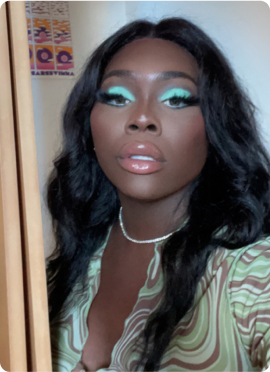
Kennedy is a young emerging theatre professional here in Seattle. Originally from Danville, Virginia, she got her start in theatre at the very ripe age of 11, doing community theatre with The Rising Star Project. Her passion for theatre grew and carried her all the way to college. While at Virginia Commonwealth University (VCU), Kennedy took on multiple roles in Musical Theatre, Costume Design, and Theatre Administration. In 2019, Kennedy was hired by Courtney Sale (former SCT Artistic Director) as a Drama School Intern and moved to Seattle two weeks after Graduation. Her love for the city prospered, and she decided to stay and continue her work with theatre. Kennedy is also widely known as the spectacular Kennedy Colby, performing drag and burlesque and delivering jaw-dropping performances all over the city. Other works include her affiliation with BeautyBoiz as an event producer/performer. Kennedy is very excited to join the Intiman team and share her enthusiasm and creativity in a positive way to make theatre more accessible to those less represented. EMAIL
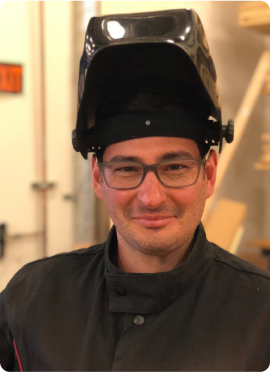
Marcos Everstijn is a set designer, artist, technical director, and carpenter. With Intiman, he has served as Master Carpenter and Master Stage carpenter. He’s been a Stage Supervisor and staff carpenter for Chicago’s Steppenwolf Theatre and Houston’s Alley Theatre. Shows he’s worked on for these companies have moved to Broadway and Off-Broadway runs, receiving Tony nominations and Awards (Not About Nightingales, The Civil War, Who’s Afraid Of Virginia Woolf (2012), and others), and a Tony Award for Best Set Design (August: Osage County). He has served as Resident Set Designer and Technical Director for Naples Dinner Theatre and Technical Director on many of his designs. He has designed and built furniture and art pieces. His latest public work of art installation can be seen at the Fremont Troll’s Troll Knoll and the design and fabrication of Motley Zoo’s Cat Circus at Bumbershoot ’23.
As a Salvadoran-American immigrant, He knows that equity, diversity, inclusion, and access matter both for the onstage representation of actors and behind-the-scenes workers. It is great to see Intiman pushing for this progress, and he is pleased to be able to contribute to Intiman and Seattle Central College’s Associate Arts degree program, emphasis in Technical Theatre for Social Justice.

Jennifer has served as Intiman’s Artistic Director since 2017. Previous employment includes 15 years as a freelance set and costume designer. Over 140 professional productions in regional theatres across the country, designs have been produced by The Guthrie – MN, Two River Theatre – NJ, The Rose NE, The Public – NY, Seattle Repertory Theatre, Intiman, ACT, Seattle Children’s Theatre, On the Boards, among others. USA 829 Union of Theatrical Designers member. Working also as director and producer of new touring performances SUSAN 2019 – current, Psychic Radio Star 2016 – current, NOW I’M FINE 2012 – 2017, WEST 2010, InDisdress & Redux 2005-2008. JZ is the youngest of 5 with 4 older brothers and grew up moving around the globe, keeping up with her father, Donald, a prominent professor of Ancient Greek philosophy.
JZ serves on the board of directors for Red Eagle Soaring, a Seattle-based Native Youth Theatre. Previous board service includes zoe | juniper (3yr), Common Acre (10yr), Network of Ensemble Theatres (5yr) and Smoke Farm (7yr). She is a monthly supporter of Sawhorse Revolution, Wa Na Wari House, Real Rent Duwamish, Red Eagle Soaring, North Star, South Seattle Emerald and several Patreon accounts. EMAIL
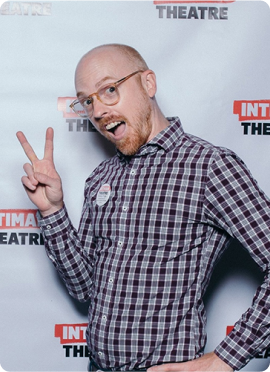
Wesley is a director, producer, marketer, fundraiser, event planner, community organizer, and administrative professional. He is originally from Houston, TX, and moved to Seattle in 2013 after living in New York City for eight years. At Intiman, he was formerly the Development & Communications Director for three years. Previously, he was the Founder and Artistic Director of Forward Flux Productions (a theatre company focused on new work from women and artists of color), the Founding Artistic Advisor of The Grief Dialogues (using theatre to ignite conversations about death, dying and grief), and he is the Co-founder & Executive Director of BeautyBoiz (Queer collective creating live events and media by and for the LGBTQ+ community). As lead producer, Wesley has presented ten new plays to Seattle audiences; eight cycles of the collaborate create artist residency series (over 120 artists have participated); 20 editions of The Flux Salon new works series (featuring Chisa Hutchinson, Lauren Yee, Benjamin Benne, Jeremy O. Harris, more); countless drag shows at Fred Wildlife Refuge and Supernova Seattle; and one season of the “Live from The Flux Salon” podcast. He produced, wrote and directed the FringeNYC 2012 hit play FRIENDANDY.COM (HERE Arts Center) and was the co-curator of Intiman’s HOMECOMING Performing Arts Festival in 2021.
He has experience working in the corporate sector (Ralph Lauren), social impact strategy (williamsworks), non-profit (Casey Family Programs, Treehouse for Kids, Forward Flux), and government (Washington State Department of Transportation), and has over seven years of experience working in the C-suite. He has produced fundraising events for clients ranging from the Eastern Congo Initiative (with Ben Affleck), the Schultz Family Foundation, Hillary Clinton, Lin-Manuel Miranda, and more. He serves on the steering committee for the Capitol Hill Arts District, and he holds a BFA in Musical Theatre from Sam Houston State University. EMAIL
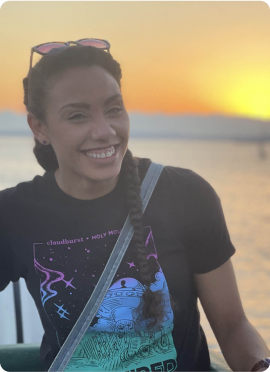
Hazel (she/her) has been acting, stage managing and modeling in Seattle since 2015. Originally from CO, she moved to the PNW to continue her career after starting it in Sioux City, Iowa as a stage manager for a private college production of Into the Woods post-graduation. This is her first production with Intiman. Other stage manager credits include Macbeth (Seattle Shakespeare Co.), Henry IV, Part 2 (Green Stage), 25-35 (an original rap musical by Tré Calhoun, Theatre Off Jackson), A Charlie Brown Christmas (Taproot Theatre), and Venus in Fur (Island Stage Left).
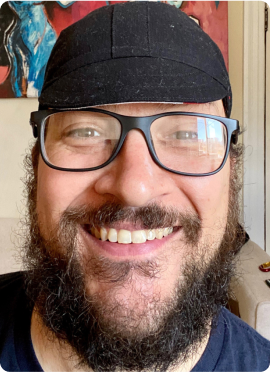
Matt Starritt (he/him) is a Seattle-based, freelance sound designer. In Seattle, he has designed for ACT, Seattle Repertory Theatre, Intiman Theatre, Seattle Shakespeare Company, Strawberry Theatre Workshop, Book-It Repertory Theatre, ArtsWest, Cherdonna, Kitten and Lou, New Century Theatre Company, The Williams Project, BenDeLaCreme, Waxie Moon, zoe | juniper, and Washington Ensemble Theatre. Nationally, he has designed for Alley Theatre, Berkeley Repertory Theatre, Cornerstone Theater Company, The Old Globe, South Coast Repertory, and the Under the Radar Festival at the Public Theatre. He is the sound supervisor at Meany Center for the Performing Arts at the University of Washington and was a founding member of Washington Ensemble Theatre.
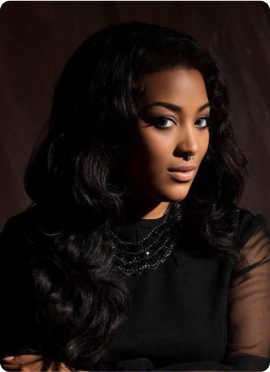
A costume designer for over 10 years, Isabella (she/her) first began making costumes inspired by cartoon characters from her favorite shows. Once she was in her 20’s after years of making costumes for science fiction conventions, renaissance faires and local theater, she interned at the Pittsburgh Playhouse where she was the Head Stitcher for 3 years. During that time she designed for plays, film, burlesque and worked as a stylist. Moving to Seattle in 2015, Isabella jumped back into styling and wardrobe, doing work for the “100 Years of Beauty” Youtube series, film, and is delighted to work for Intiman for the first time.
Photo by Daniel Shapiro
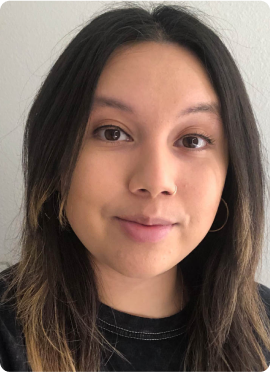
Vada (she/her) is happy to return to Seattle and Intiman for The Niceties. Previous credits include Wild Horses (2018); Two Mile Hollow (2022); I Am Not Your Perfect Mexican Daughter at Seattle Repertory Theatre – Associate Lighting Designer (2023); vadabriceno.com
Jennifer is thrilled return to the Intiman stage where she has designed scenery since 2006 and over the moon to be working with Sheila Daniels again! Previous Intiman shows include: Angels in America, Dragon Lady, Heartbreak House, Trouble in Mind, Stu for Silverton, and Bulrusher among others. Locally, Jen has designed many shows for ACT Theatre, Seattle Rep, Seattle Childrens, Seattle Shakespeare and more. Nationally, their scenic designs have been seen at: NY Public Theatre, Guthrie Theatre, Two River, Pittsburgh Public, The Rose, Duke Presents, Red Cat, The Clarice Center and more. A Seattle-based scenic designer, stage director and producer, she is honored serve Intiman Theatre as Artistic Director and is a Founding Co-Artistic Director of Washington Ensemble Theatre, winner of The Stranger Genius Award in Theatre and three-time Gregory Falls Best Scenic Design recipient. Jennifer is grateful to receive funding for her original and touring work from: The Seattle Office of Arts and Culture, Theatre Communications Group, Map Fund, Creative Capital, Artist Trust, 4Culture, and The National Endowment for the Arts. Jennifer is a proud member of USA 829. BFA Directing, BFA Theatre Design – University of Rhode Island 1996, MFA Scenic Design – University of Washington, 2003.
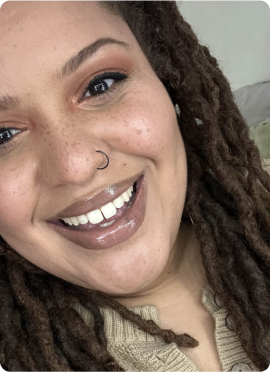
Jasmine (they/them) returns to Intiman after appearing in the Emerging Artist Program in 2017 to present their solo show Thicc Girl Problems: Eating My Feelings. Some of their favorite credits include Tiara’s Hat Parade (Director), In the Time of The Butterflies (Minerva Mirabal, Actor) and The Bonesetter’s Daughter (Assistant Director) with Book-It Repertory Theatre, PASSOVER (Intimacy Director/ Co-Fight Choreographer) with The Spot Sun Valley, and Or, (Intimacy Director/ Dramaturg) with Theatre22.
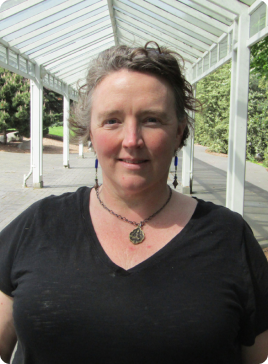
Sheila Daniels is a Seattle-based, multi-disciplinary Theater Maker. She served as Associate Director to Bartlett Sher at Intiman from 2007 through 2009 and is honored to have worked as a director under Jennifer Zeyl and Andrew Russell’s leadership tenures. Her Intiman directing credits include: A Streetcar Named Desire, Abe Lincoln in Illinois, Crime and Punishment, The Children’s Hour, and Lysistrata. Other directing work includes: Indecent (Seattle Rep), Dancing at Lughnasa (Seattle Repertory Theatre, TANTRUM Theatre in Ohio) The Wolves (A Contemporary Theatre), Jackie & Me (Seattle Children’s Theatre), Lydia, The Normal Heart, Breaking Code, The Bridge of San Luis Rey (Strawberry Theatre Workshop), According to Coyote (Seattle Children’s Theatre Company, Children’s Theatre Company of Minneapolis), A Winter’s Tale, Much Ado About Nothing, Electra, Pericles, Macbeth (Seattle Shakespeare Company), This Wide Night (Seattle Public Theatre), Crime and Punishment (Theater Under Ground/CHAC), Waiting for Lefty, God’s Country, Arcadia (Capitol Hill Arts Center) HAC), Rubble Women (co-creator, UMO Ensemble), Anaphylaxis (Throwing Bones/IRT, NYC), Burning Bridget Cleary (Ladykiller Productions). As a devisor/choreographer Sheila has self-produced multiple works of rarely told women’s stories and co-created with other artists including Martha Enson (UMO). Upcoming projects include her first documentary film, Hidden Bodies: Stereotyping and Shaming of the Femme Body in American Theater. She is the current Theater Department Chair and proud Faculty member at Cornish College of the Arts.
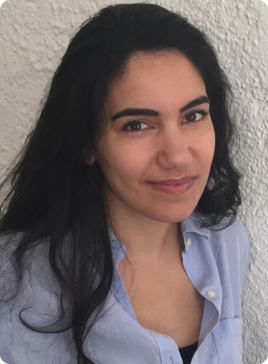
Eleanor Burgess has written plays that have been produced at Manhattan Theatre Club, Geffen Playhouse, McCarter Theatre Center, the Huntington Theatre, Alliance Theatre, Contemporary American Theatre Festival, Merrimack Repertory Theatre, Portland Stage Company, and Centenary Stage, and presented or developed at The New Group, New York Theatre Workshop, Ensemble Studio Theatre, the Lark Play Development Center, the Kennedy Center/NNPN MFA Playwrights Workshop, Ryder Farm and Luna Stage. She is currently a 2050 Fellow at New York Theatre Workshop, a member of The Civilians’ R&D Group, and a member of P73’s writers’ group, I73. She has also been the recipient of the Alliance/Kendeda National Graduate Playwriting Award, an EST/Sloan commission, a Keen Teens Commission, and the Susan Glaspell Award for Women Playwrights. She grew up in Brookline, Massachusetts, studied history at Yale College, and recently completed the M.F.A in Dramatic Writing at NYU/Tisch.
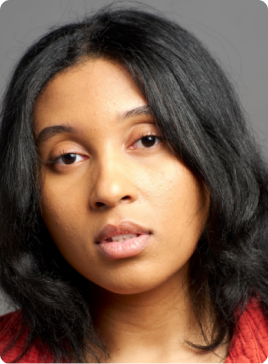
Varinique Davis (she/her) studied at the National Theatre Institute at the Eugene O’Neill Theatre Center. She is a member of the Miranda Family Fellowship created by Lin-Manuel Miranda. V’s credits include Seattle Repertory Theatre’s Public Works productions of Winters Tale, Twelfth Night, and As You Like It; Macbeth (Seattle Shakespeare Company); Mamma Mia (Village Theatre); Howl’s Moving Castle (Book-it Rep); Office Hour (ArtsWest) “I would not be the artist I am today without Black influence, culture and experience. For this, I’m eternally grateful.” IG: @515davis
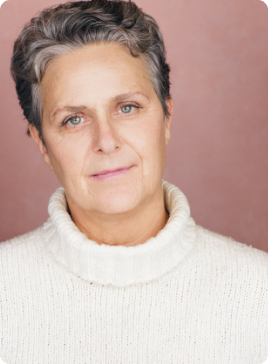
Amy Thone (she/her) is so deeply pleased to once again be collaborating with Sheila “Horfey” Daniels, with whom she’s worked on King Lear (Kent), Midsummer (Titania), The Winter’s Tale (Paulina), Much Ado (Beatrice), My Name is Asher Lev (Rivkeh), The Bridge at San Luis Rey (Nun), The Normal Heart (Dr. Emma Brookner), Macbeth (co-workshop leaders–UW), plus years of collaborating as teachers at Cornish College of the Arts. Previously at Intiman, Amy appeared in: A Question of Mercy, Measure for Measure, and The Diary of Anne Frank. She is a proud core company member at ACT, where she has played both Marley and Scrooge in A Christmas Carol, the Nurse in Romeo and Juliet, and just recently, an ensemble member in Reginald Andre Jackson’s History of Theatre.
Ms. Thone spent 25 years on staff at the Seattle Shakespeare Company, where roles have included Prospero, Goneril, Lady Macbeth, Adriana, Emilia, Cassius, Cleopatra, Helena, and the Chorus. She’s also extremely proud to have played King John and Titus in the first two Upstart Crow productions, directed by Rosa Joshi.
She is currently in a year-long workshop rehearsal process with The Seagull Project, which will culminate in Fall 2023 in a production of Gorky’s The Lower Depths (with a new adaptation by Jehan Osanyin) directed by Gavin Reub.
This production, like most other things in Amy’s life, is dedicated to her two beautiful daughters.
Photo by Adam Fontana.